The Brutalist: What Is a Question of Aesthetics for the World Is a Question of Ethics for László
In short
“The Brutalist” is a 2024 film directed by Brady Corbet. As close to the Oscars as I could, I watched The Brutalist, Brady Corbet’s colossal cinematic canvas about a man against the background of global historical events, and vice versa.

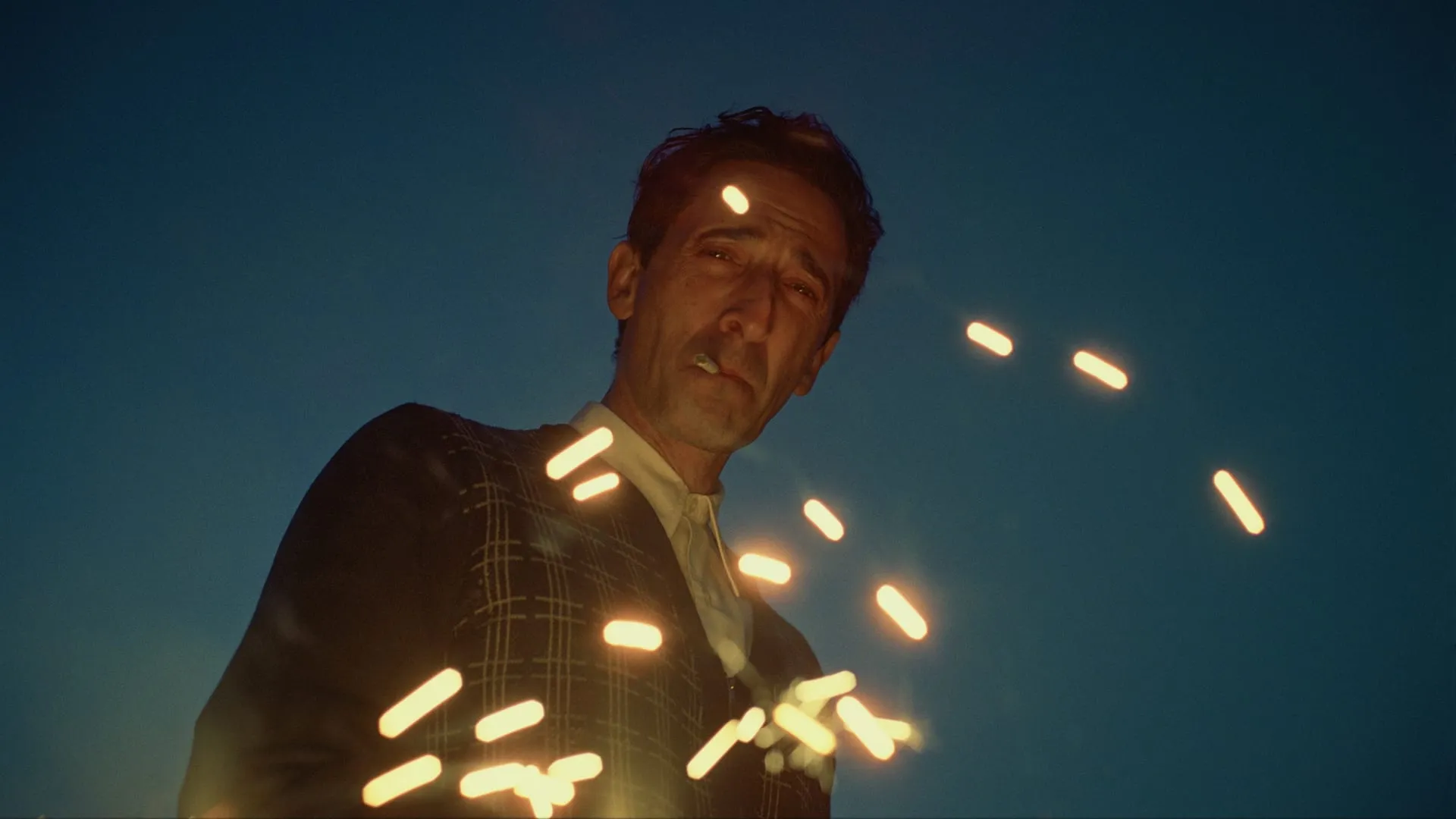
As close to the Oscars as I could, I watched The Brutalist, Brady Corbet’s colossal cinematic canvas about a man against the background of global historical events, and vice versa.
Despite some clichés of the “he pursued the American dream” genre, the film has too many silences to fall into that category, and the most terrible scenes (as a rule) remain off screen; viewers are invited time after time to assess only the consequences. This is an interesting move, given that brutalist architecture, no less important a protagonist than, say, László himself, is largely a consequence of the terrible events of the 20th century. Raw concrete as the basis for rebuilding bombed-out cities was a material that was, first, the most practical and, second, the most honest, the one that most concretely embodied traumatic experience. And the fact that Adrien Brody’s character builds his buildings (and his life) precisely in the USA, having fled the European post-war ruins, only helps to focus on his categorical contrast with the whole world. What is a question of aesthetics and beauty for the world is a question of ethics and morality for László. The film reminds us that the horrors of an era tend to end, and their culprits or witnesses to die, but the consequences of what happened will most likely remain before our eyes for a long time to come.
By the way, I want to say something separately about how it is shot and how it sounds. A special technology of film shooting used in the 1950s brings our optics closer to the circumstances of that time: to perceiving history through the means cinema had at its disposal when that history was current. And the soundtrack itself resembles a huge architectural harmony: we encounter repeating themes that stick in your head throughout the film, but we hear them differently, as if finding ourselves in the same place but with different life experience. I think I will even relisten to the film’s score separately (and root for it at the Oscars)