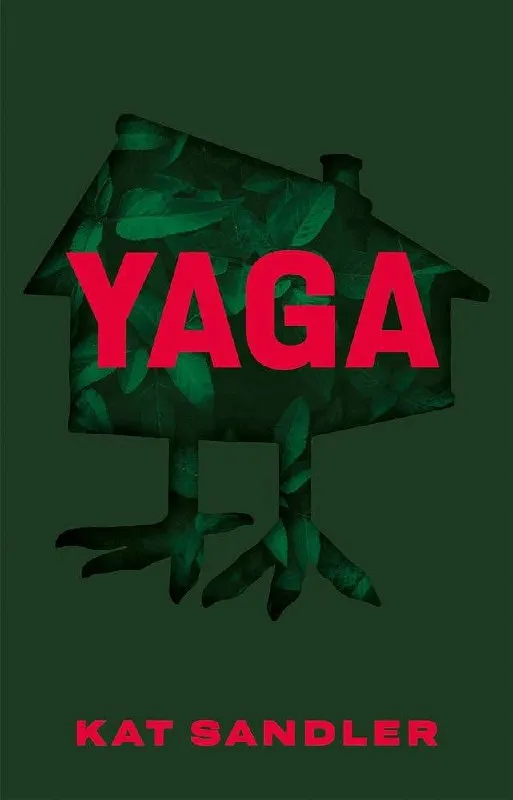
BooksKat Sandler’s Play Yaga: Baba Yaga Without the Stereotypes
In Kat Sandler’s play the Baba Yaga we know is not an exotic souvenir on the shelf of Canadian drama but a full-blooded, contemporary heroine.
Books on cinema and beyond.
In Kat Sandler’s play the Baba Yaga we know is not an exotic souvenir on the shelf of Canadian drama but a full-blooded, contemporary heroine.
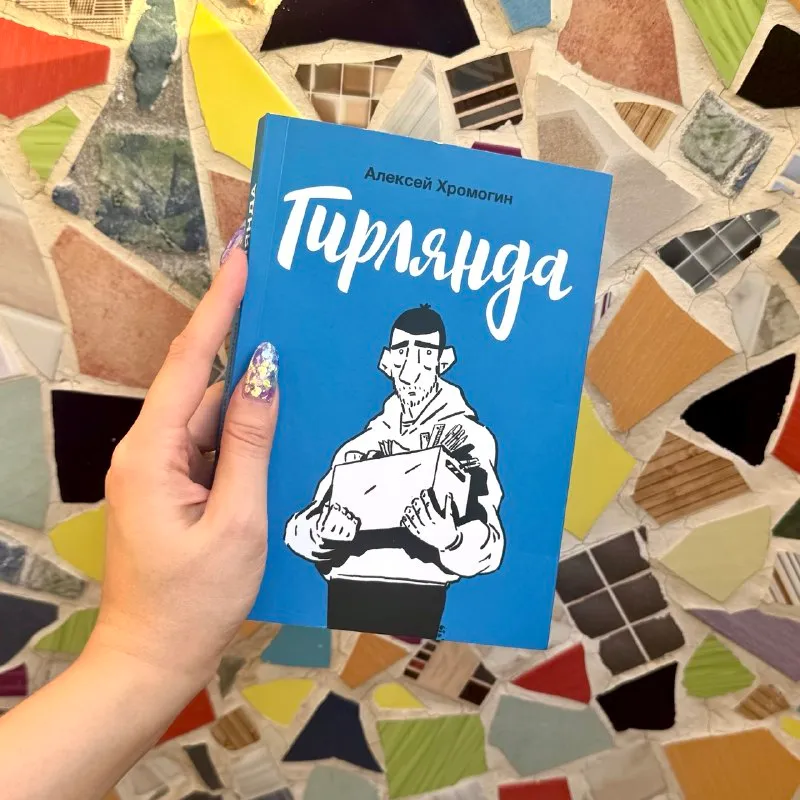
I bought Girlyanda (“Garland”) at random, won over by the blurb about the hero, a comics artist whose hand has turned into a claw.
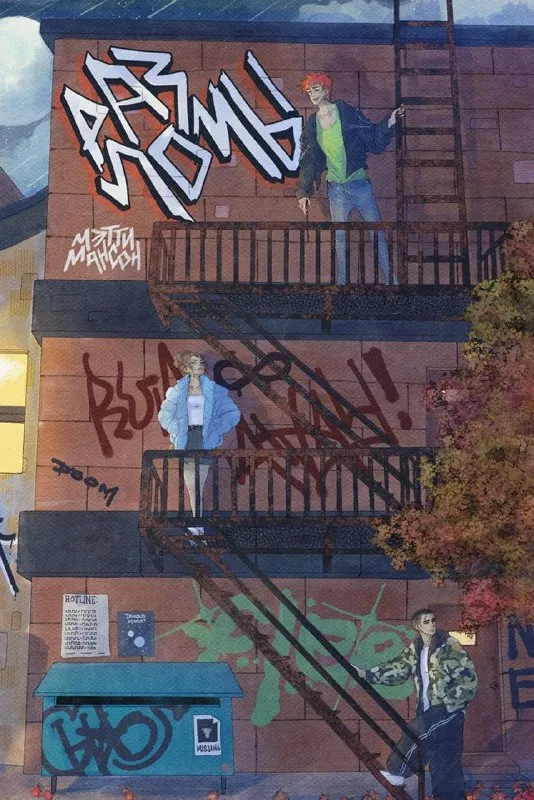
I started reading Matty Manson’s novel Razlomy (“Fractures”), a sweet urban fantasy about a guy called Vinny who can pass the most intimate questions on to the universe.
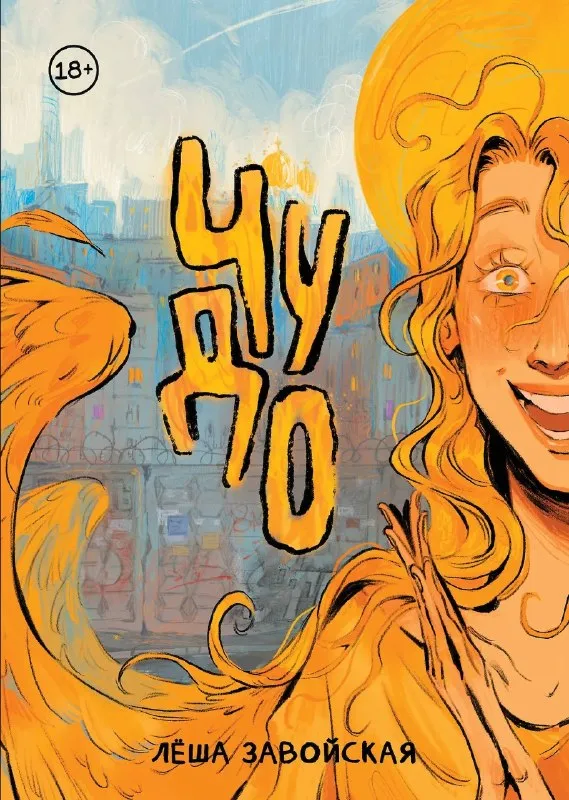
This is a small graphic novel (or comic, as you like) about the adventures of an angel who has descended from the heavens to Yekaterinburg.
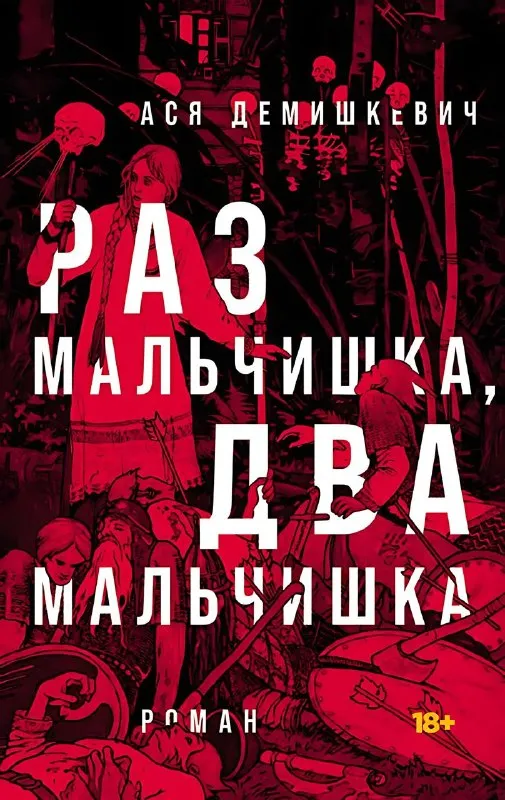
I do not know how to characterise its genre more precisely: it is a coming-of-age novel, folk horror and topical allegorical absurdity all at once.
An extremely engrossing text, packed with facts, yet weightless.
The events themselves, in essence, are not that important, but how they are written about is precisely the main reason the book is worth reading.
In short, the text has turned out many-sided, like its hero, and extremely inspiring for great deeds.
I would even call the novel a hidden treasure, were it not for one “but”.
It is his side-splittingly funny and sometimes frighteningly serious attempts that we are going to watch. The black humour is spot on, and the connection with the present day comes through too.
I read the book in literally a day and am very pleased. Not least with how the author’s connection to cinema is felt right in the text.
I got absorbed in the book Kinoteatr povtornogo filma: Boris Lokshin’s essays on various films gather all the phenomena that make us put on a favourite film again and again.
In a word, an incomparable density of text with absolute formal simplicity. Naturally, you really want to see every story adapted for the screen: both the descriptions and the dialogue are very cinematic.
This text is a real chance to hear the director’s voice directly, and his views on life, creativity and cinema in particular.
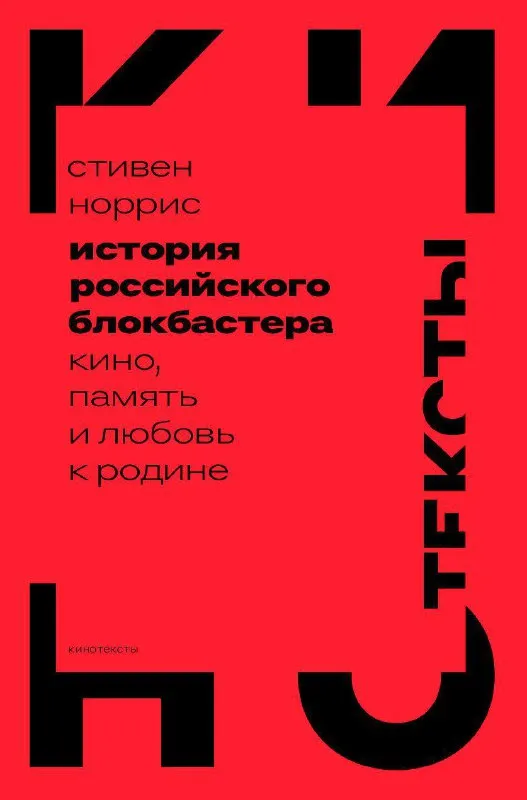
I have read only a little so far, but I already have the distinct feeling that this is the most important thing published in Russian about Russian cinema lately
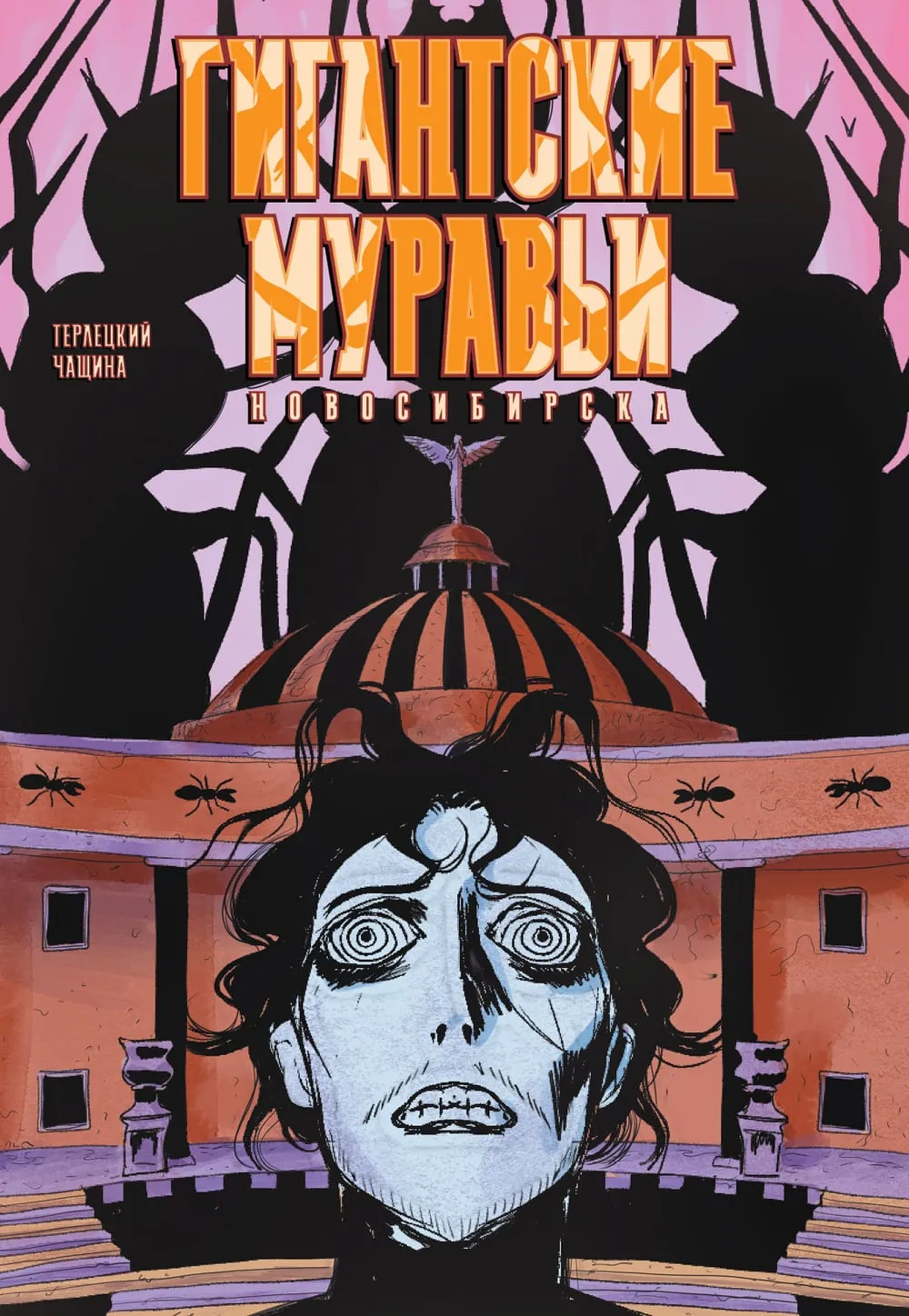
Stas, a 22-year-old unemployed man, tells his friends in the minutest detail about his childhood memories: the giant ants of Novosibirsk.