Luc Besson’s Dracula: The Last Romantic and a Fly in the Ointment in the Finale

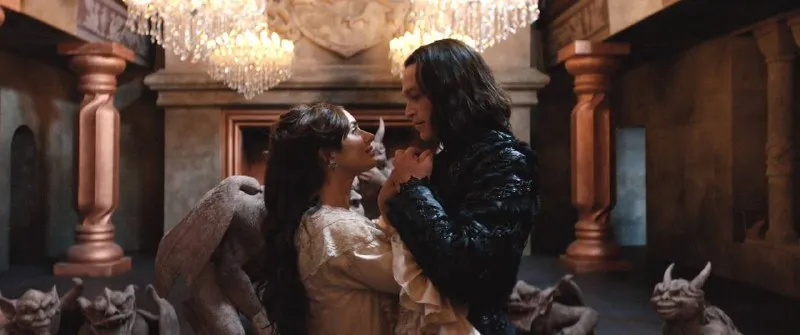
I had long wanted to see Luc Besson’s Dracula, and on balance I am more pleased than not, but there is a catch)
In terms of intrigue, atmosphere and the adaptation of the established Dracula plot, the film works really well. Caleb Landry Jones is simply beyond all praise; I believed every one of his glances, gestures and shades of smile, and I am already planning to watch Dogman with him too. I very much like the idea of the eternal search for the one and only love and that romantic “I love you so much I can’t live”, which in other settings might look false, but not here. And it turns out to be a very pleasant surprise exactly how the plot arrives at the classic story of Dracula and another man’s bride: it refreshes the story as a whole beautifully.
But there is a fly in the ointment. With great faith in the character I followed Dracula as a rebel, the last romantic, even a punk of his time. You could even say I rooted for him with sporting interest. And the finale, in the form it takes in the film, will most likely disappoint a viewer with my attitude. And here it is not even a matter of taste but a problem of logic and of the motivation of a hero who seemed fairly stable and purposeful but towards the end succumbed to some impulse not very well worked out in terms of the script. I would not say the whole impression is crossed out, but philosophical questions about the overall idea of the film do arise.