Breathe: It Does Not Much Matter How the Inquiry Ends
In short
“Breathe” is a 2025 series directed by Anna Kuznetsova. It is separately pleasing how absolutely every character, young and old, gets a coherent personal ending.

29 July 2025
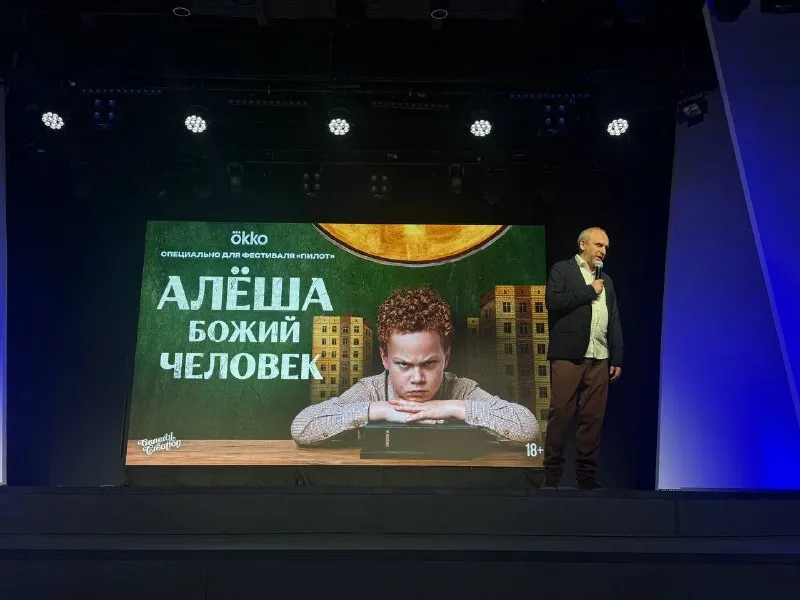
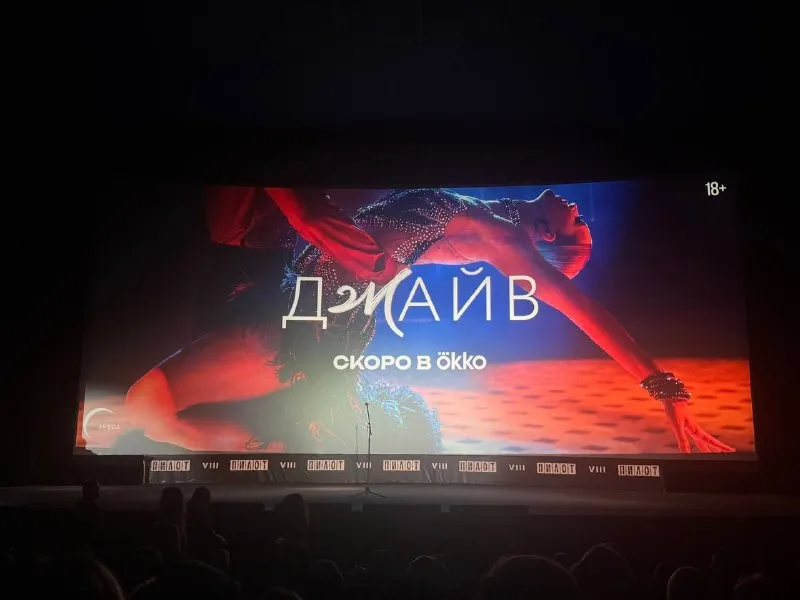
Today the trailer for Anna Kuznetsova’s series Breathe, the winner of Pilot 2025 (the Russian series festival in Ivanovo), came out.
I wrote about it back at the festival, including in that very article for Kinopoisk (Russia’s largest film database, media and streaming service) that the trailer quotes with the words “heroines you want to watch”. It is insanely gratifying that it was precisely my impression of this wonderful series that made it into the trailer.
Like the first episode, the trailer sets you up for very tense, fast-paced action, in which the world seems to be collapsing for every character. Watch it to get a feel for how the series will take your breath away, as soon as 15 August.
15 August 2025
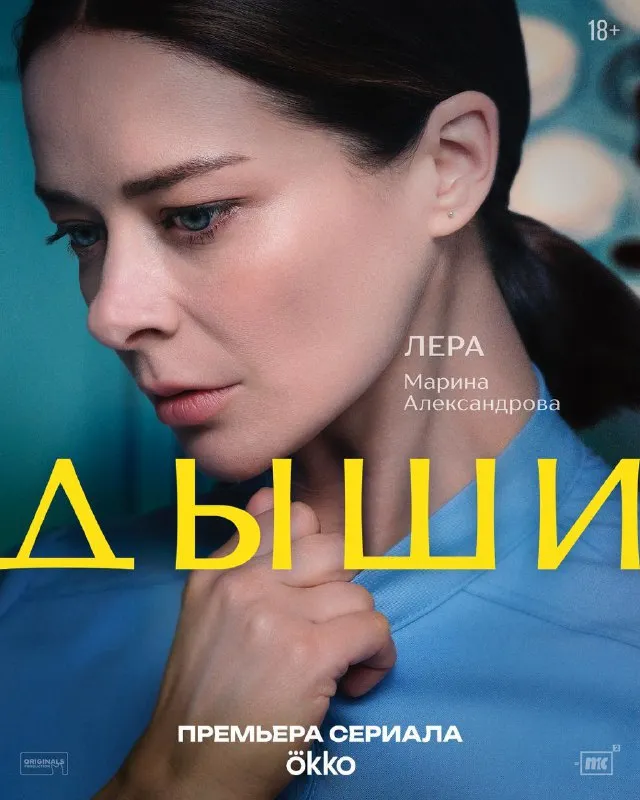
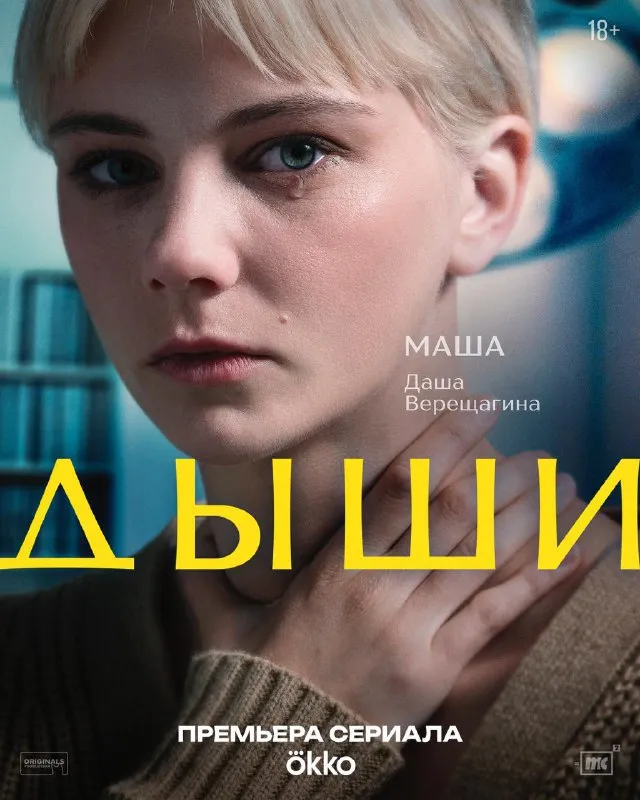
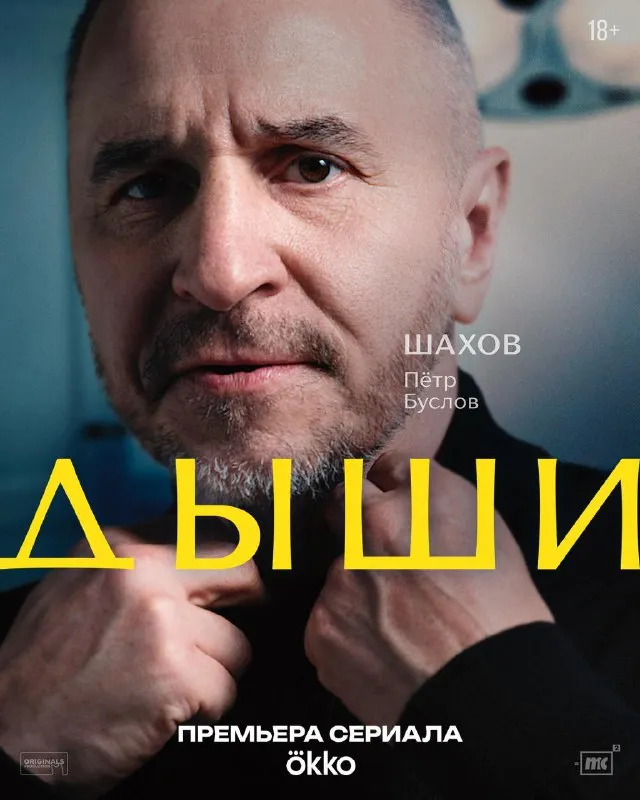
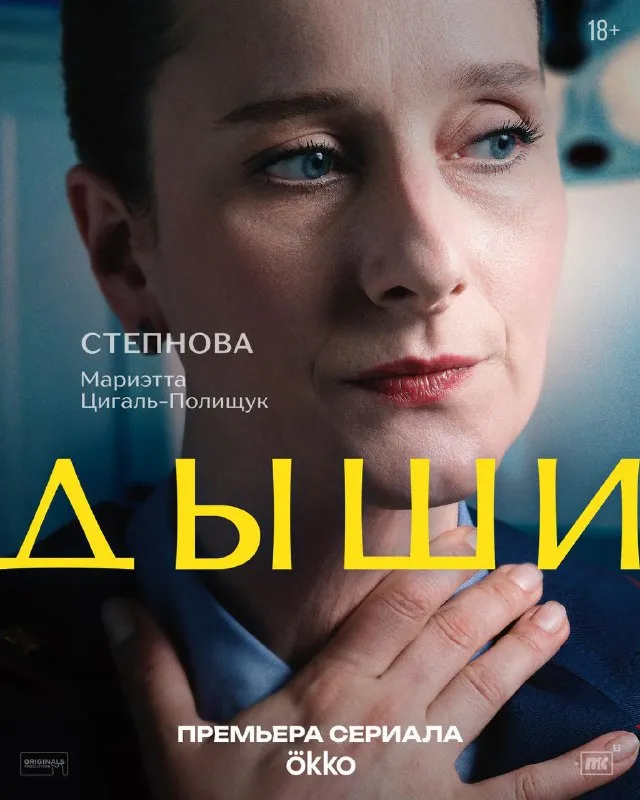
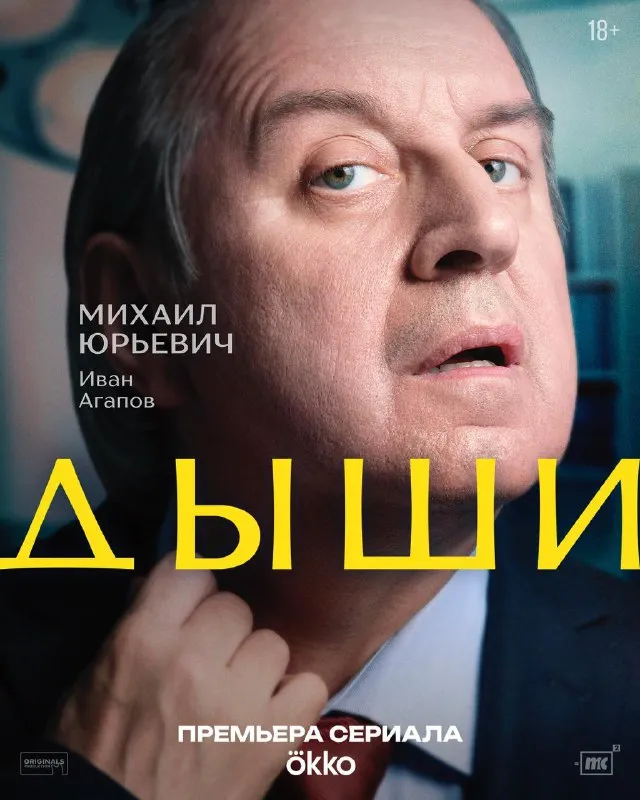
This summer, series about doctors are showing how dangerous and risky this profession is, one for the genuinely strong in spirit.
On the one hand there is Khirurg (“The Surgeon”) with Sergei Gilev’s long-suffering (but wonderful) character; on the other, Breathe, (Dyshi) a series of stunning power that you watch with trembling hands and your breath knocked out of you.
The first episode came out today; I wrote about it from Pilot (the Russian series festival) and am still under the impression, which is also a recommendation of sorts. One can feel differently about the heroine, Lera, but watching her is absorbing, because before us is the type of a living, troubled person, not a stock doctor meeting the classic notions of the profession, and that is both pleasing and frightening. Together with the frenzied rhythm of the action, the director’s warmth towards the characters, felt through the screen, and the delicate subject matter, the result is something inimitable.
23 August 2025
The second episode of Breathe puts all the viewer’s notions about the series in their proper places.
First and foremost, of course, they concern Lera. It turns out she manages to grab the medical record at the right moment, to convince a traffic cop of her innocence and to manipulate her children. This is not surprising, we knew she was an imperfect heroine, but it helps get rid of idealisation and unnecessary regrets *️⃣ It is cool when the foreground is held by a character whose likeability you sometimes have to doubt: it adds a further opportunity to reflect on the given theme.
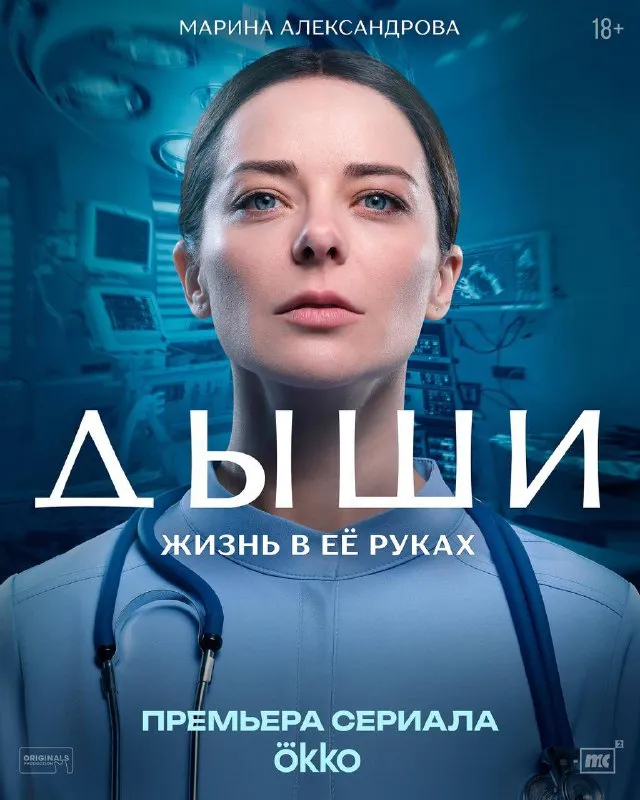
And the updated poster seems a success to me in this respect: the patients’ lives are, of course, in her hands, but first of all, is her own?
6 September 2025
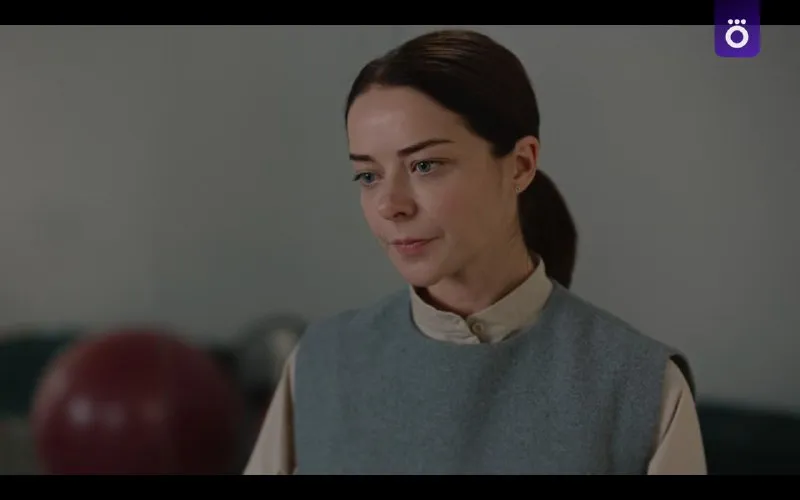
With every episode Breathe seems to make it harder for the viewer to choose a character to trust and empathise with.
Thanks to episode 4 introducing Lera’s younger children into the complex equation of the plot as well, it became clear that the story is not about obstetrics or medical backroom intrigues at all. It turns out that, as with Anna Kuznetsova’s Intermission (Kanikuly), behind the screen of a private story on a subject that seems narrow at first glance hides a universal, all-human drama. All the more interesting, because in this case predicting the ending is genuinely impossible.
3 October 2025
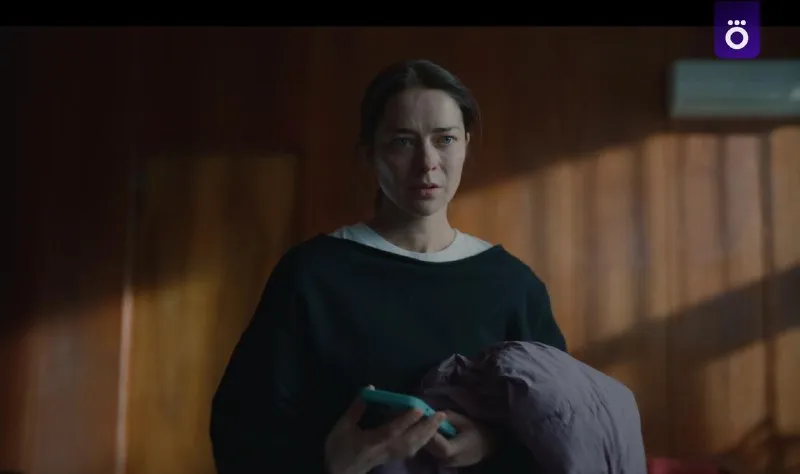
The final episode of Breathe confirms: in this story it does not much matter how exactly the inquiry ends, whether the child survives, or even who gets the late Motoruev’s car.
Far more significant is the path the characters have travelled over the course of the events shown: this is the very truth we were striving towards for 8 episodes, and it turns out to be not nearly as grim as it might have seemed at first. These are merely the consequences of a chain of choices made, which, on close observation, are quite possible to understand.
In this respect the series has much in common with director Anna Kuznetsova’s feature Intermission. There too the emphasis was not on the event driving the plot but on the transformation of its participants. There is (almost) nothing interesting in a youth theatre competition in itself, but in how the adults and teenagers changed during it, there very much is.
It is separately pleasing how absolutely every character, young and old, gets a coherent personal ending. It is from their sum that the finale of the series is made up: ambiguous and non-static, like life itself, but with a gap for air, which everyone who has watched will definitely have needed.