Facts to Take In: Hipsters and 9th Company Have an Identical Ending
In short
From the “facts to take in” series: Hipsters and 9th Company have an absolutely identical ending. And a few more unexpected intersections (with spoilers).

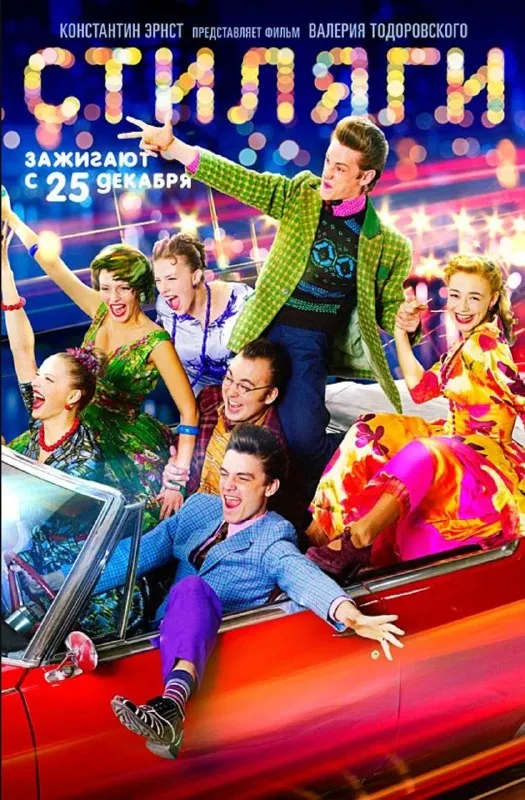
From the “facts to take in” series: Hipsters (Stilyagi, 2008) and 9th Company (9 rota, 2005) have an absolutely identical ending. And a few more unexpected intersections (with spoilers):
-
The finales of the two films are built on an absolutely identical scheme. For the whole film the heroes have been making a sacrifice (the hipsters expressing themselves and losing their place in society, the soldiers in Afghanistan “defending the motherland” and literally dying), and in the end it turns out that nobody needed that sacrifice at all and it was made in vain (it transpires that there are no hipsters in America, and hence no freedom in it either, while the command simply forgot about the 9th Company). But at heart the protagonists of both films are absolutely sure they have won, and the last frames say so outright: both the closing speech of Lyuty, the sole survivor, and the jubilant dance of Shagin’s and Akinshina’s characters in a crowd of other nonconformists from every subsequent era of Russian subcultures.
-
The films have the same screenwriter, Yuri Korotkov. This partly explains both the first point and the couple that follow. But you must admit it is remarkable how the same screenwriting scheme works for a war drama and a period dramedy musical.
-
Neither film has an unambiguous villain; that role is played by an impersonal system, which in both cases could probably be called by the same name, “the state apparatus”. The indifferent machine catches up with the hipsters and the conscripts alike; there is essentially nobody to hate, only vividly typed heroes to pity, which is very convenient.
-
The heroes’ identities are interesting too. Both the soldiers and the hipsters have their names replaced by nicknames. Were our characters to swap places, the monikers Vorobey (“Sparrow”) and Gioconda would fit perfectly into the fashionable crowd, and Bob and Dryn (“Cudgel”) into the barracks. The viewer sees characters that are easy to connect with, while the villain in both films sees a faceless mass that there is no point in addressing by name.
-
The figure of a woman whom the film’s heroes accept, but whom society outside the extreme situation the characters live in would condemn. Snow White in 9th Company and Polza in Hipsters break patriarchal taboos and act as symbols rather than fully fledged personalities. Nevertheless, against their background the saintliness of the protagonists, who, once again, are to be pitied for being oppressed by the system, shows up beautifully.
Something to think about.