The Phoenician Scheme: Wes Anderson’s Signature Style, with Exceptions
In short
“The Phoenician Scheme” is a 2025 film directed by Wes Anderson. In Wes Anderson’s The Phoenician Scheme the director’s signature style, which we are used to, shows through more subtly than ever, but with exceptions.

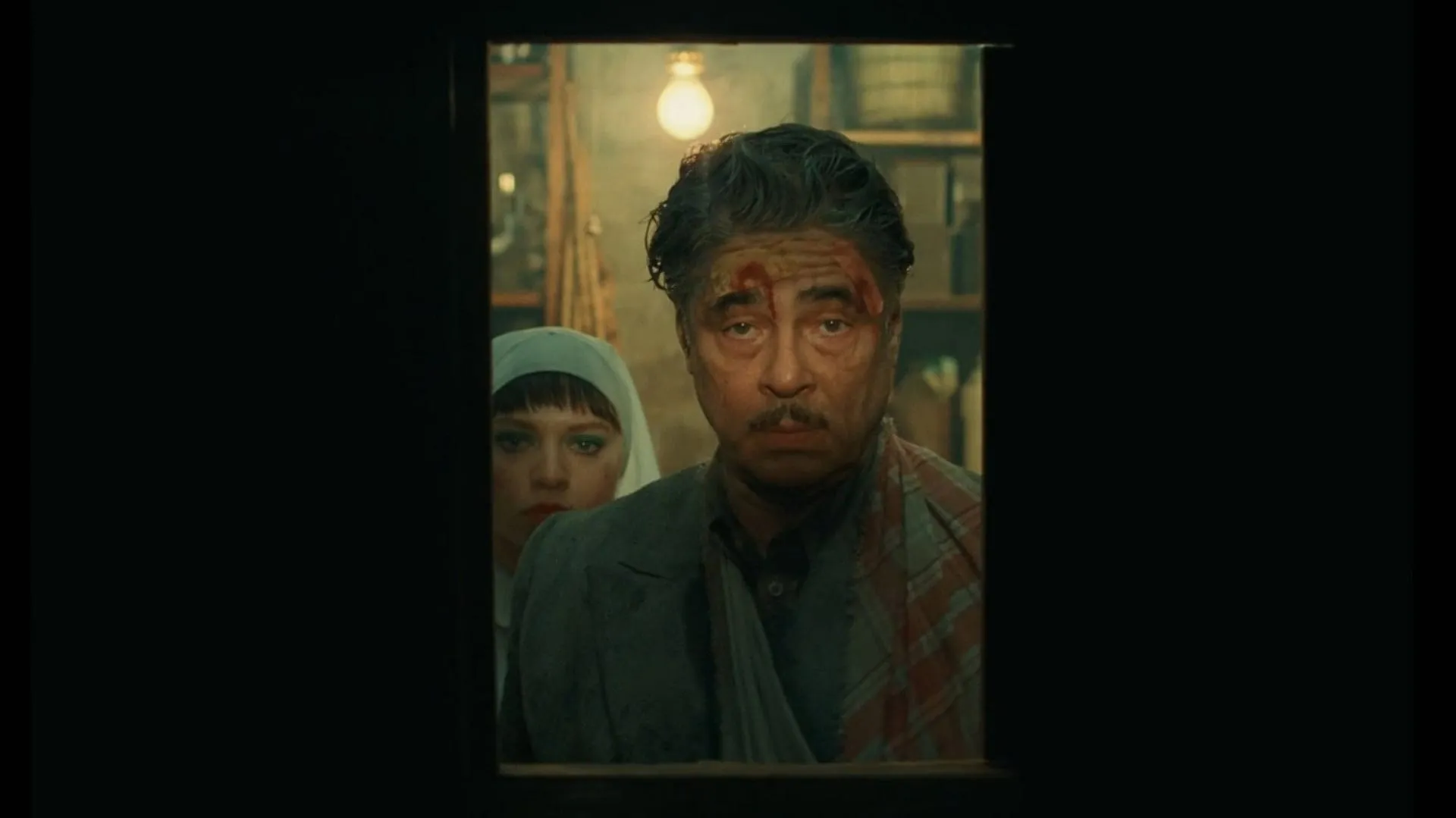
In Wes Anderson’s The Phoenician Scheme the director’s signature style, which we are used to, shows through more subtly than ever, but with exceptions.
There are no screamingly contrasting or, conversely, carefully matched colours in the film’s palette, and the absurdist humour characteristic of Anderson’s characters looks unusually unobtrusive. On the other hand, the work as a whole seems to leave the impression of a summing-up. The key theme of fragile family ties, which flows from film to film with this director, is in place. But there is not even any certainty that the family is real, and blood kinship, it turns out, is not so important. The motif of the journey, masking the characters’ inner transformation, now works not towards a reset of characters but towards a wholesale rebirth. And the amount of violence on screen, unusual for Anderson, seems to bring the picture closer to a reality that is not at all distinguished by multicoloured aesthetics and symmetry.
In this I see two patterns:
1️⃣ The protagonist, who runs his business against every rule of economics, constantly survives deadly situations yet stays alive. This is very reminiscent of the path of Wes Anderson himself, who works by his own rules of cinema and with every new work survives the inevitable “death of the author” (Roland Barthes’s concept, according to which the author of a work loses authorial power over its meaning immediately upon publication). Perhaps that is exactly why the protagonist of The Phoenician Scheme constantly rephrases other people’s wording in business papers, just as viewers rephrase the message the authors put into films or texts.
2️⃣ By the end (I do not think this will be a big spoiler) the characters seem to arrive at the absence of symmetrical and colour correctness altogether: what we see in the frame resembles the reality around us as never before in Wes Anderson. This seems to underline once again the importance of inner content rather than the outer, however beautiful, shell: a very soothing thought.
Though perhaps this is my viewer’s interpretation, made thanks to the phenomenon of the “death of the author”.