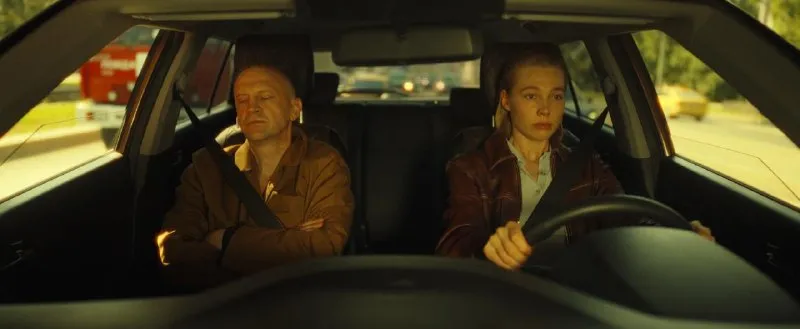
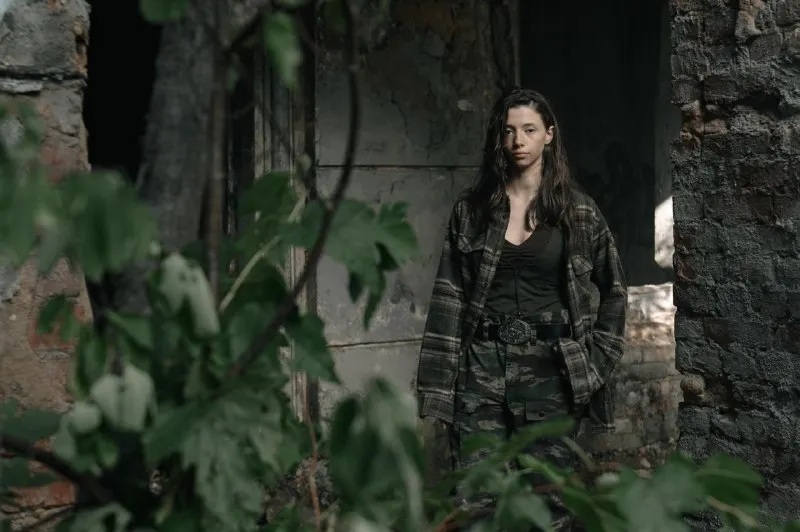
Hypnosis: A Brisk Start, a Powerful Finale and a Stalling Middle
In short
“Hypnosis” is a 2025 series directed by Timofey Zhalnin. So to fans of intricate and non-obvious detective stories I recommend it warmly.

14 April 2025
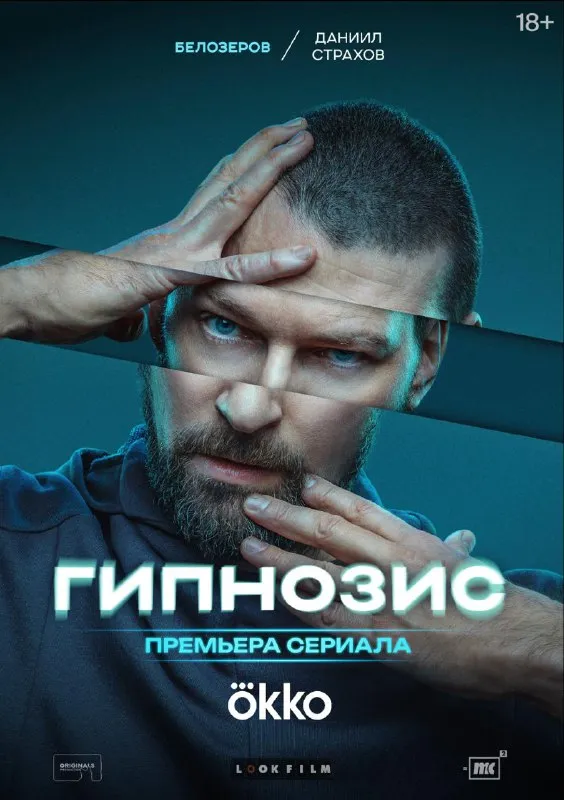
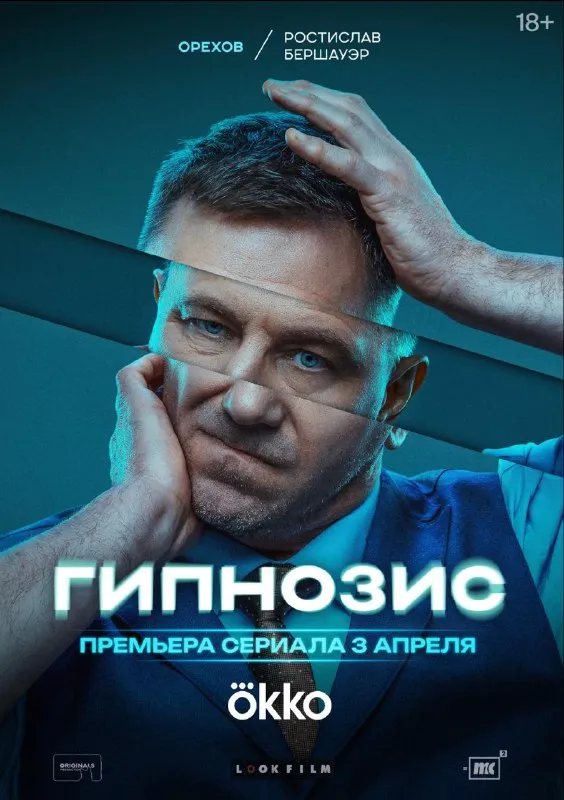
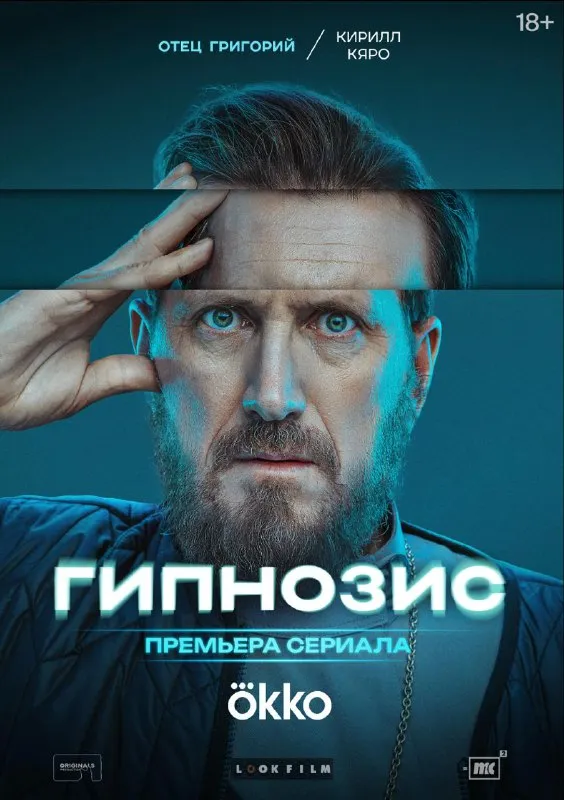
After much thought I started Hypnosis (Gipnozis). So far what attracts me is not even the fantasy part but individual features of the alternative reality and the peculiar humour)
The thing is, the series’ three main characters are three friends with superpowers (here they are, left to right): a private detective who can read minds; a lawyer who sees the future; and an Orthodox priest who sees the past. Put them together and you get a real superpower (and basically that is what they do, using one another’s abilities in a neighbourly way).
But how funny it looks in action when the lawyer, needing additional information on some case, asks the priest to drop by the morgue and touch a dead body to learn its past (the ability works only through physical contact). You catch very strong vibes of O chyom govoryat muzhchiny (“What Men Talk About”, the Kvartet I comedy), only with superpowers added to the plot, and that is not bad for an urban fantasy like this: you cannot pull everything off on seriousness alone. Indeed, the irony and down-to-earthness of even characters with supernatural abilities help draw the viewer in at times better than a twisty detective line.
23 May 2025
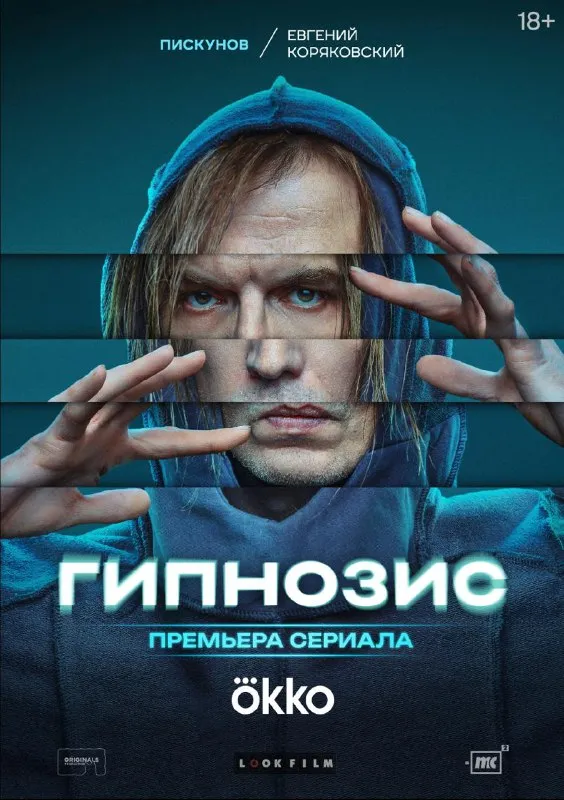
Hypnosis has finished and made me empathise with the hypnotist maniac. But first things first.
The series has a brisk, gripping start (plus viral promo that was hard to miss), a powerful finale, but a noticeably stalling middle that spoils the impression a little. Its problem is the intrigue, which evaporates because the viewer knows the moves from every side.
Nevertheless, as soon as the reasons for Piskunov’s villainy became clear, everything fell into place for me. The positive characters turned out not good enough to empathise with, whereas the grief the antagonist went through seems precisely a very weighty argument for revenge 20 years on. It even occurred to me that telling it from his point of view would have been a winning device for creating the story of a raging villain. But even as things stand, the reversal of good and evil made the finale genuinely gripping: what was happening became non-obvious, and there appeared a real rather than illusory choice of the side you want to root for. So to fans of intricate and non-obvious detective stories I recommend it warmly.
By the way, besides all the merits of the resolution, the characters’ reflection in the frame is attractive. A lawyer, a private detective and a priest sit and discuss whether they had the right to do what they did? It is great that the ethical reflection on what is shown is not shifted entirely onto the viewers but finds a place right inside the work: a very metamodernist move. After watching, you want to recall the concept of moral relativism and ask yourself once again about the possibility of absolute evil and absolute good.