Vermiglio: It Is Not About the Village but About the Women Who Live in It

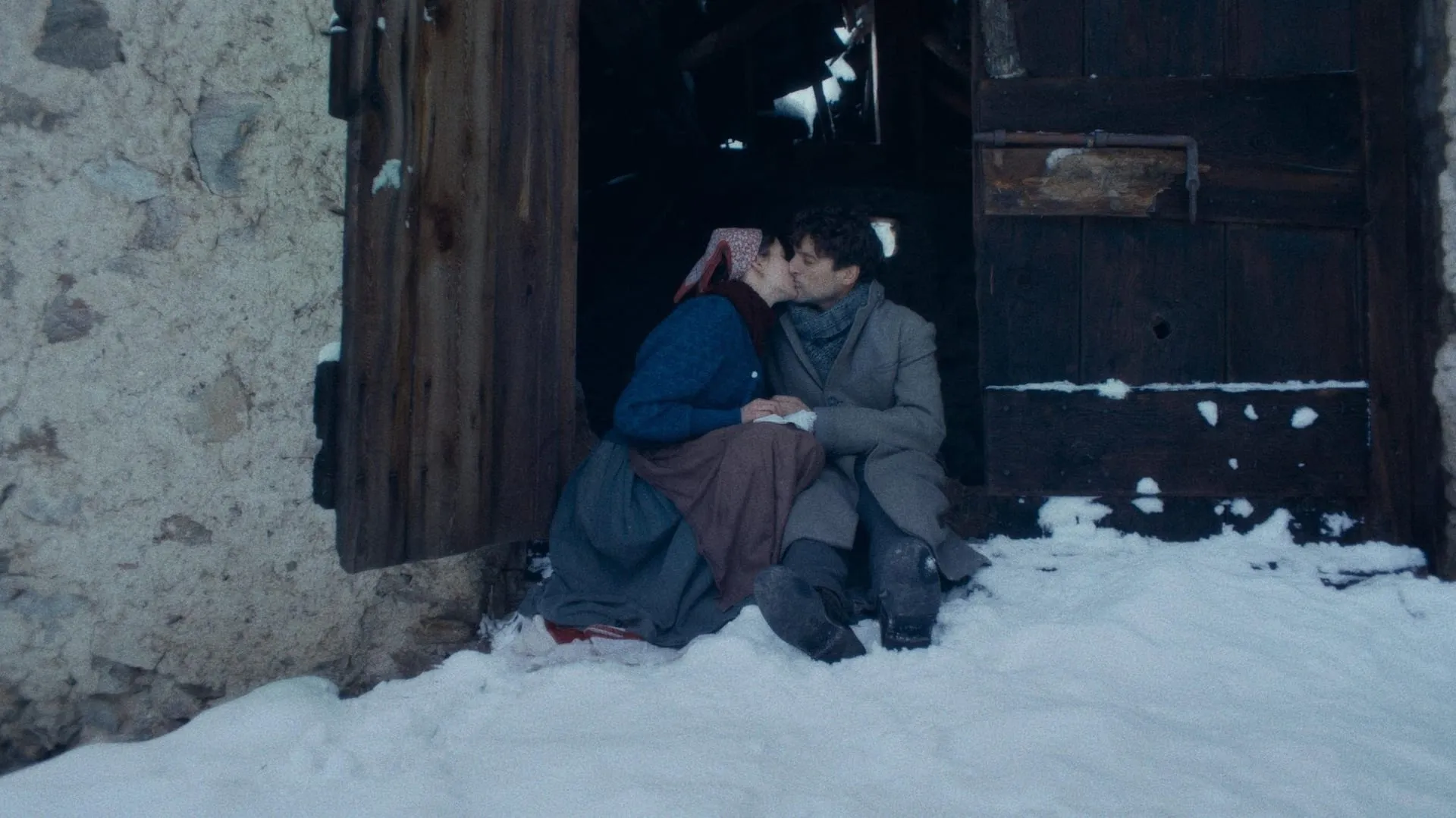
The synopsis of Vermiglio (released in Russia as Gornaya nevesta, “The Mountain Bride”; it recently came out on streaming services) puts the emphasis on how a soldier who has fled the war changes the life of a mountain village in Italy. In my opinion, that is not quite right.
As you watch, it becomes clear that it is not about the village but about the women who live in it. Against the background of the decline of the patriarchal family with a man at its head (exactly the kind of family we see throughout the film), the relationships of a mother and her daughters, and of friends and sisters among themselves, come to the fore. The soldier who suddenly appears and disappears serves as a catalyst of character development only for the heroines (all the male characters, it seems, stay as they were). This dramatic circumstance, imperceptible at first glance, sets the film apart favourably from other stories about the home front of the Second World War and makes its concerns unconventional.
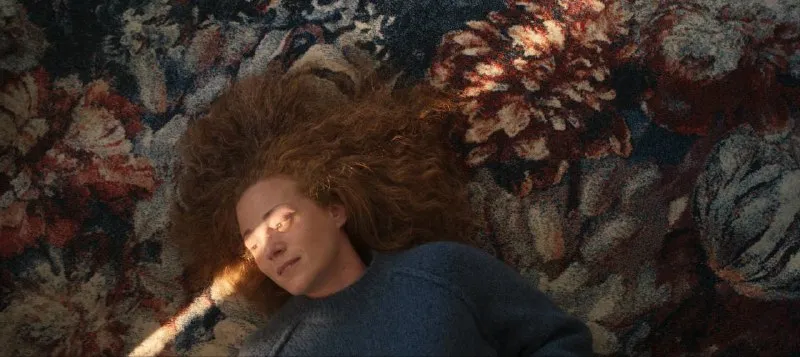
Incidentally, another highlight of Vermiglio is its visual look. The cinematography is by Mikhail Krichman, Andrey Zvyagintsev’s regular cinematographer and the author of signature cold, detached shots, whether of nature or of characters in close-up. It is pleasing that, despite the chosen style, the finale of Vermiglio is nothing like the unambiguous resolutions of Leviathan or Loveless, which means a fresh cinematic impression is guaranteed.