Kombinatsiya: The Story of a Band from the Inside Out
In short
“Kombinatsiya” is a 2024 series directed by Nikita Vlasov. But for me a complete repetition of the mechanics of characters from another series instantly breaks the emotional ties with what is happening on screen and kills the intrigue.

14 September 2024
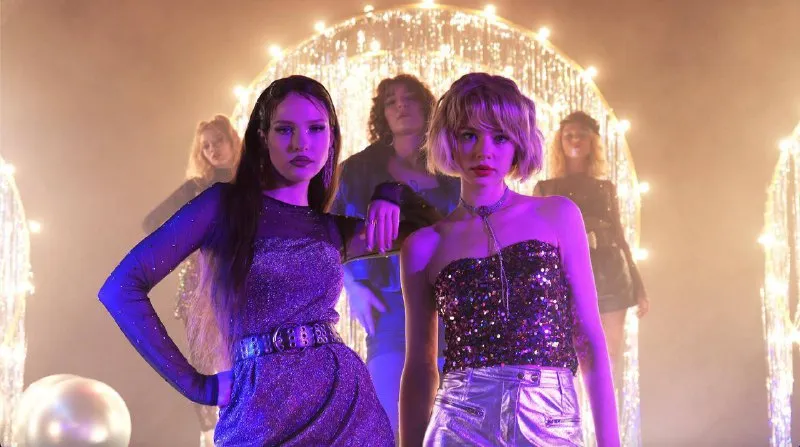
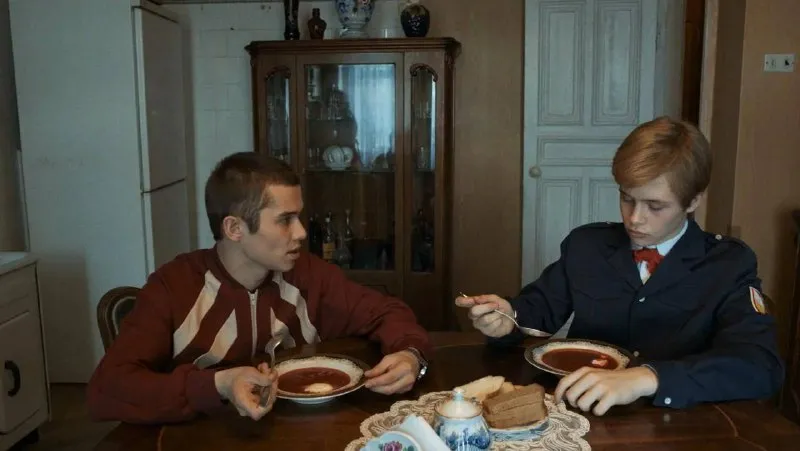
In the series Kombinatsiya (“Combination”), about the producer of a cult girl band of the late Soviet years, a lot did not work, as my colleagues write. But I was especially surprised by a malfunction in one particular mechanism.
The friendship of Tanya and Alyona, the band’s singers, is sold to us through exactly the same mechanism as in The Boy’s Word with Maratik and Palto (“Coat”), right down to the physical resemblance. Dark-haired Tanya, like Maratik, is a street hooligan and tearaway who unexpectedly comes from a well-off and quite philistine family by late-USSR standards, while fair-haired Alyona is simply Andrey-Palto at the start of the action: for everything good (and musical) and against everything bad. And so they met, went from hatred to love in express mode and found noble friends in each other, which we are supposed to understand from a series of scenes with an exchange of barbs, knowledge (of life or of books, it does not matter) and some displays of female solidarity. A perfect idyll of Palto and Maratik, who practised push-ups, speaking English and singing “Sedaya noch” (“Grey Night”, the Laskovy May hit) and topped it all off with borscht.
And such a mechanism for depicting a nascent friendship is very good: it shows the outstanding traits of both heroes (or both heroines) and helps the viewer warm to and grow attached to them. The girls’ performances as a duo are top-notch too, especially Elizaveta Bazykina’s; she is a sheer pleasure to watch, really! But for me a complete repetition of the mechanics of characters from another series instantly breaks the emotional ties with what is happening on screen and kills the intrigue. And their place is taken by the uncanny valley effect (and sadness at such a confluence of circumstances).
20 September 2024
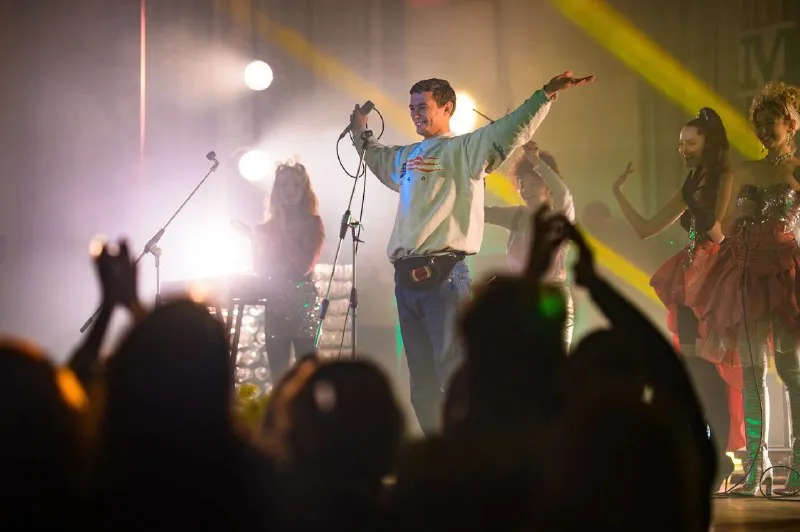
By the third episode of Kombinatsiya (very touching and at the same time energising for achievement) I finally understood why the project still appeals to me.
As a viewer with a producer’s background, I am grateful that at last we are shown the story not of singers hired to show their faces and sing lyrics written for them to music written for them, but of the producer who runs all this, and a little of the composer who creatively drives it. These are people without whose work the band really would not have existed, the concerts would not have been organised and Moscow would not have been conquered. Of course, in reality they were and remain off screen, but how pleasant it is, at least in an artistic reimagining, to look at the story of a band from that very inside-out side where Shishinin has to strike deals with everyone and Okorokov has to write the music.
Of course, bands differ, and singers can be the authors and ideologists of a band, but in Kombinatsiya the case is different and the priorities in the story are, quite rightly, different. And where we have the wonderful series Korol i Shut (“The King and the Jester”), about singers who are also the band’s founders, there should also be a good series about a band with a different background. Thank you, Kombinatsiya, for that!
26 September 2024
In the new, fourth episode of Kombinatsiya there is categorically too little of my favourite character, the composer Vitaly Okorokov, played by Vladimir Kanukhin. In my view, this is the subtlest and deepest figure of all, and every appearance of his on screen is apt and fitting.
On this subject I recommend an interview by colleagues at Kinopoisk with the actor: it is the most pleasant and calming interview I have ever read!
26 October 2024
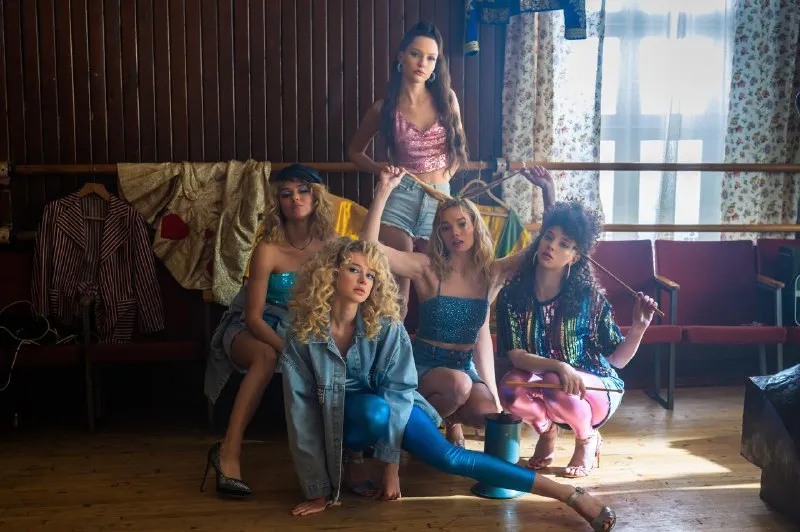
The finale of Kombinatsiya, of course, noticeably adds to the series the ambiguity for which it was already distinguished all along. Behind the grandiose story of the band’s revival after Apina’s departure, the stories of the individual members (except, perhaps, Tatyana Ivanova) get even more lost, and especially that of Shishinin with his sad end.
The last episode, alas, was overtaken by the curse of many final episodes of Russian projects: it turned into a quick cut of resolutions for each storyline. By the list: Apina’s solo career, launched; Ivanova’s crisis, over; Shishinin’s binge, finished; the new band, assembled; the murder, committed. On the other hand, there was a minimum of music-video scenes, which earlier replaced dialogue, plot development and much else besides. And here there simply was not enough time to talk something through, and that, of course, is a noticeable imbalance.
*️⃣ But in the end the series still did its job: it gave a little of what I call “angry energy”, when you want to follow the hero and push through any obstacles; it gave aesthetics, because the image really is beautiful; and it gave additions to my playlist, and for that I am grateful.