Moscow Does Not Believe in Tears: An Atmospheric Look at 2003 from 2025
In short
“Moscow Does Not Believe in Tears. It’s All Just Beginning” is a 2025 series directed by Olga Dolmatovskaya, Zhora Kryzhovnikov. Of the Soviet source film, the main reference points remain in the form of the heroines’ characters and their firm friendship, but in everything else it is a new story

4 September 2025
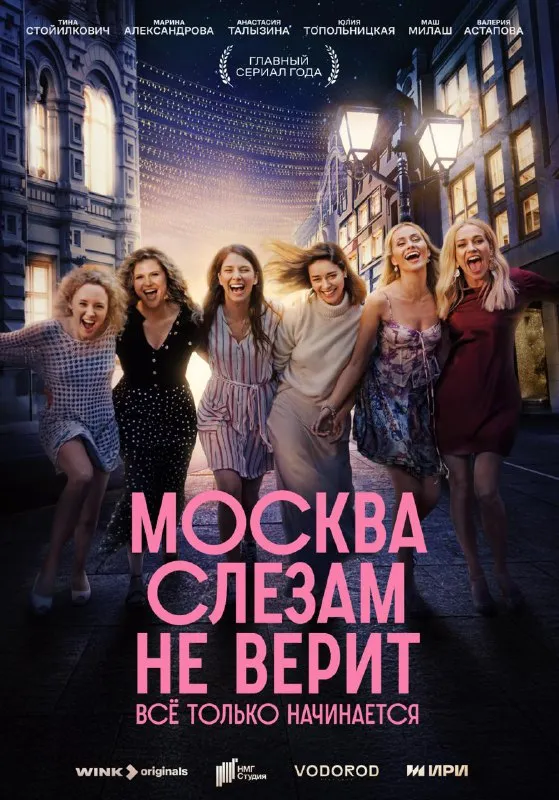
From the first episode of the new Moscow Does Not Believe in Tears (the series sequel to the Oscar-winning 1980 film) it is noticeable above all that this is not an exact reconstruction of that same 2003 when the trio of heroines first meet, but rather an atmospheric look at it from our contemporary 2025.
Perhaps that is the effect of the specifics of the musical genre, in which there are always many conventions even without leaps in time, and with them all the more so. Hence the asynchronous details: for example, in 2003 the characters of Tina Stojiljković and Ivan Yankovsky dance in the “dry fountain” in Muzeon park, which in fact only opened in 2013.
Of the Soviet source film, the main reference points remain in the form of the heroines’ characters and their firm friendship, but in everything else it is a new story. From Zhora Kryzhovnikov’s signature style come the long-awaited jump cuts, the agitation and the cheerful anger of the heroines. On first viewing the series seems something between The Boy’s Word and Kombinatsiya (“Combination”, the series about the 1980s girl band), the two previous high-profile projects from Wink (the Russian streaming service), in the first of which the musical inserts worked 200%, while in the second they rather replaced dialogue in places (which is sometimes more interesting to listen to, after all).
Since the fate of the heroines emerges rather schematically over the episode, the most touching things for me were the signs of the times: a recognisable pre-Sobyanin marshrutka (minibus), bus stops plastered with ads, screaming eclecticism in clothes. And the pop-culture artefacts and prices stood out in particular:
- Terminator 3 and Lara Croft are on at the cinema, the Tolkienist movement is in its prime, and the girls run off to the casting for Fabrika zvyozd (“Star Factory”, the Russian pop talent show). It makes you want to shed a tear.
- A hamburger at McDonald’s costs 17 roubles. For an order of two cheeseburgers, fries and ice creams you would have to pay 160 roubles. So that such prices do not hurt so much, you can imagine they are simply in today’s Belarusian roubles.
The only thing not yet obvious is whether the project will stay rather on the side of fairy-tale cuteness or defect to realism (especially as regards the part with the heroines 20 years later); I will keep watching to find out.
11 September 2025
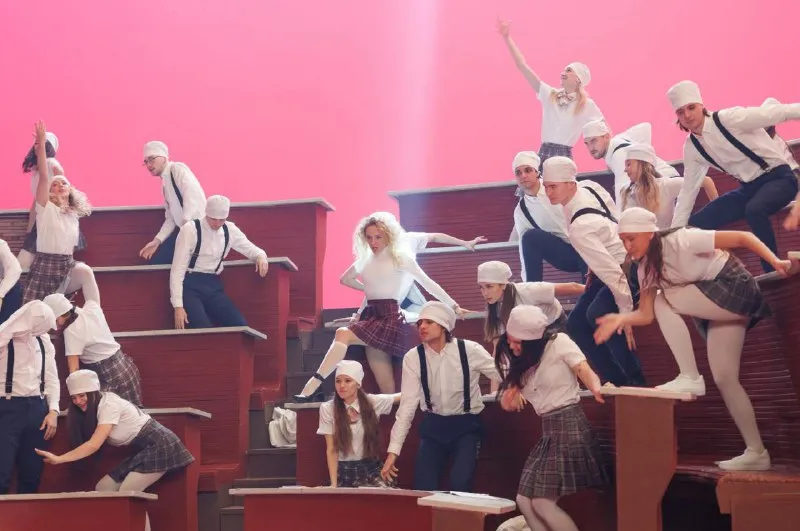
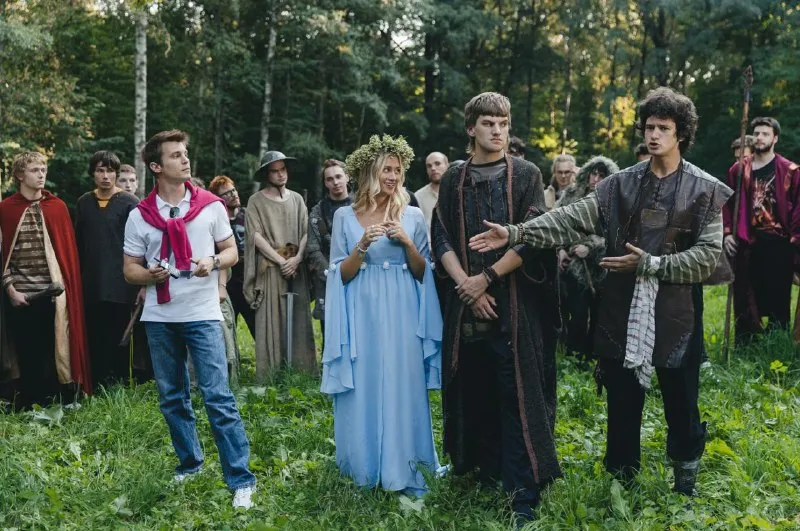
I liked the second episode of Moscow Does Not Believe in Tears so much that I am ready to forget all my doubts after watching the first.
Moderate use of musical numbers suits the series very well. In the second episode there is only one such scene, but it is brilliant (literally and figuratively), a genuinely cool music video inside the film. Anastasia Talyzina and Andrey Burkovsky in this number combine comedy, sincerity and the demonstrativeness of their attitude to each other, important for an inserted number that takes place, as it were, in the heroine’s thoughts. The key difference of the musical scene this time: it does not retell part of the plot (as was the case with Ksyusha’s unhappy job) but complements the heroine’s emotional background without affecting the sequence of events in the series’ world! Cool, vivid, intelligible, unobtrusive.
And the definitive acting triumph goes to Masha Milash: her heroine is the most characterful and tangible, it seems to me, and following her is a great pleasure. The second episode is mainly hers in screen time, so the creators’ bets on this heroine are probably high. She truly sets the mood of what happens, whether feeding the American a pack of lies or taking the sweetest historical re-enactor, played by Andrey Maksimov, for a ride on an emotional rollercoaster: cruel in both cases, but funny. I want to believe that things will work out with the Tolkienist after all, and that Masha, in classic fashion, will ask the American where strength lies.
19 September 2025
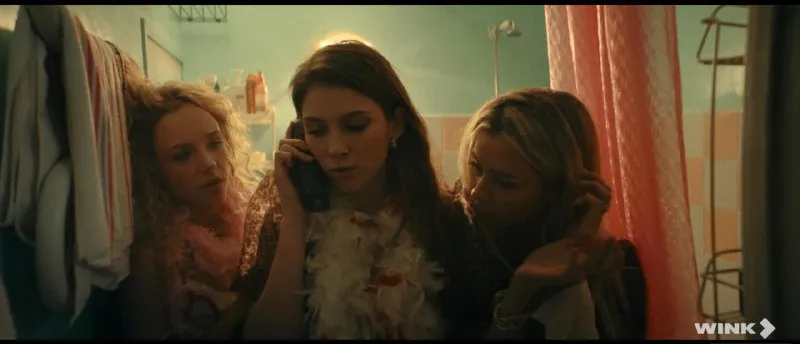
I keep finding that the new Moscow Does Not Believe in Tears reveals itself for the better with every episode.
The third episode again has only one fully fledged musical number, unexpectedly not with the heroine, and one more half-musicalised scene with the central characters. As they say, modest and tasteful, and most importantly meaningful, with a dramatic foundation beneath the musical wrapping. I hope this side of things stays on track to the last episode.
As a whole the events of the episode are in a state, as they say, of in progress ❌ The girls have already understood something about their relationships, but have not yet had time to come to terms with that information, and keep travelling along the rails laid in advance. Ksyusha could have got away with the same status too, were it not for her husband, who arrived and brought with him the chilling atmosphere of the phrase “the groom has come”. Perhaps the final scene on the balcony is a moment rhyming with how, in the original film, Alentova’s heroine fell asleep in tears in the worst of all possible situations, and after a cut we saw a completely different life of hers years later.
27 September 2025
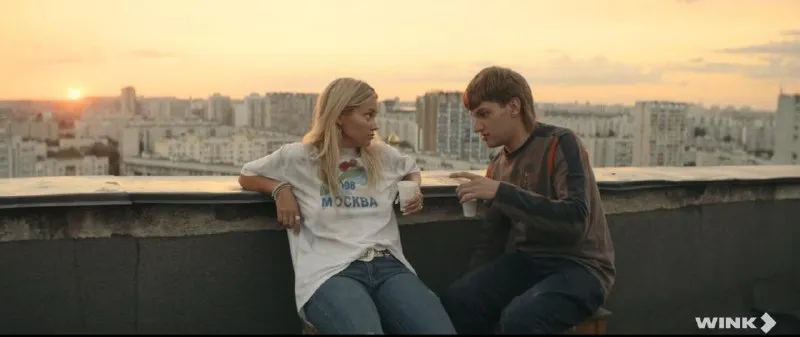
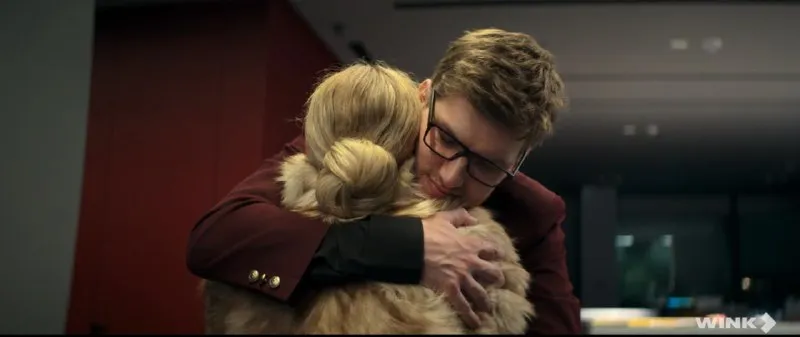
After watching episodes 4 and 5 of the new Moscow Does Not Believe in Tears back to back, I understood the feelings of the 90 million viewers who generated the Soviet film’s phenomenal box office. This is how the sources describe that frenzy:
“After the premiere of Moscow Does Not Believe in Tears, huge queues formed outside cinemas, with people waiting for the box offices to open. Screenings began early in the morning and went on late into the night, and visitors came to the film several times”
I too immediately wanted to rewatch these two episodes as soon as they ended, although I never wanted to rewatch the Soviet two-part film that way. The feeling of belonging to a time in which such a transformation of the heroines’ fates takes place provokes a very strong response, of course. You begin to understand the Soviet cinemagoers, and especially the women among them, 100%, and to believe in a miracle within your own era.
The musical numbers in the new episodes are better than ever. Ksyusha’s transformation into a businesswoman I personally find easy to believe, like any cinematic convention that nonetheless has a right to exist. Even Katerina’s transformation into a factory director, incidentally, was received with scepticism in its day: she could not have risen like that entirely without outside help, people said; again I quote a source:
“Moscow could easily have been withdrawn from distribution and ended up on the shelf. The film was criticised by both critics and the authorities, and the label ‘vulgar melodrama’ was one of the mildest accusations. Objections were raised both to the ‘explicit scenes’ and to the very story of a woman’s success. Poor Katya from the provinces could not have made such a career in the USSR, that was the general verdict”
It is especially pleasing that there is no gulf in quality between the two parts of the series; I will only miss the young versions of the heroines. On the other hand, the Tolkienist lawyer played by Andrey Maksimov is in place, and his line with Masha will definitely remain the most interesting for me.
3 October 2025
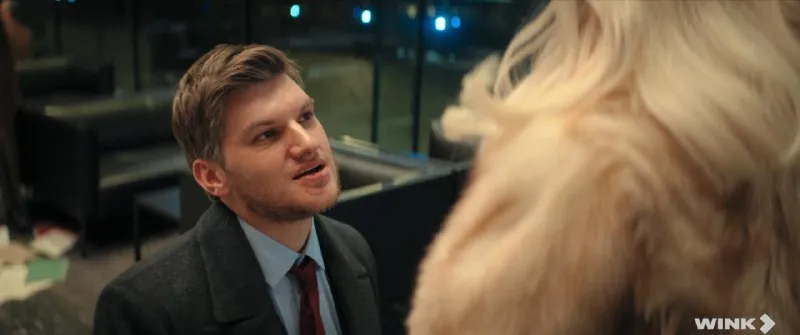
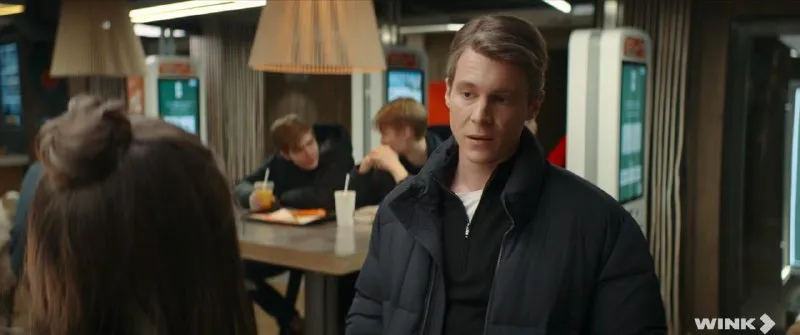
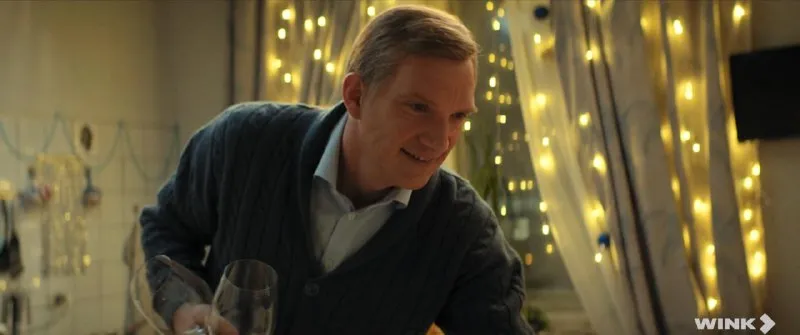
In the second part of the new Moscow Does Not Believe in Tears I am separately pleased that my favourite among the male characters has grown up the most handsomely.
Andrey Maksimov was treated gently, and 20 years have only benefited his character’s looks; well, they certainly did not get worse. Which cannot be said of Ivan Yankovsky’s character, who in age did not seem to differ much from the Tolkienist student, so this paradox of ageing is beyond me. And, of course, of Andrey Burkovsky, who, though he was the oldest of all, has been aged far too harshly (apparently so that it would be easier for Olya to leave him for Ruzil Minekaev).
The logic of the ageing (for which, on the whole, great respect to the make-up department) remains a mystery, but I am pleased that my taste did not let me down.
17 October 2025
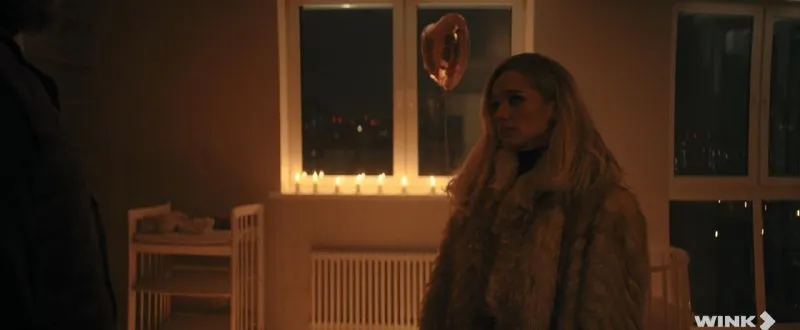
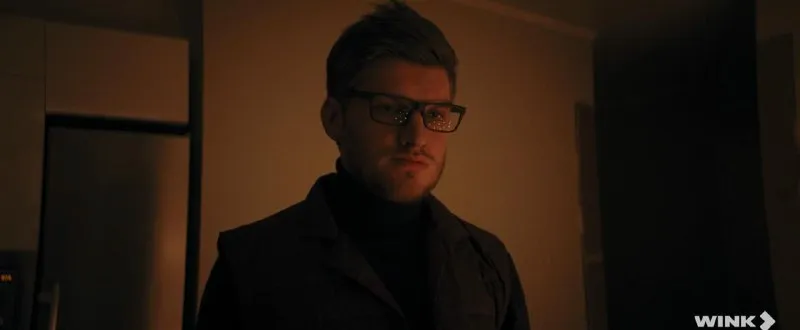
In the finale of Moscow Does Not Believe in Tears I can understand and accept everything except the resolution of the line with Masha and Artyom (who seem to have got rid of their alcoholism).
It hurt me as a fan (they are my favourite characters). The reason for the break-up, to my taste, is completely untenable, and I cannot understand Masha’s logic at all. To me their situation looks (the only one of all the couples!) like “live and be happy”. With mutual work on themselves, of course, but basically without problems!
The other heroines’ lines seem more logical to me: they could, of course, have been handled differently or more interestingly, but the existing outcome raises no questions either. On the whole, the finale noticeably echoes the start of the series: the friends, as in the good old days, are their own only hope, and the whole world stands against them. Some things, as they say, do not change.