The Thaw: Not Everyone Was a Protagonist, but Everyone Lived Their Own “Thaw”
In short
“The Thaw” is a 2013 series directed by Valery Todorovsky. And feeling through the screen such depth in working with an era, in which not everyone was a protagonist but everyone lived their own “thaw”, is a very valuable emotional experience.

29 November 2024
Series have had to change, after all, in moving from television to streaming)
I was watching The Thaw (Ottepel), a classic of our series full of dreamy nostalgia, by Valery Todorovsky (by the way, put a 👀 if you want a more detailed opinion of the series).
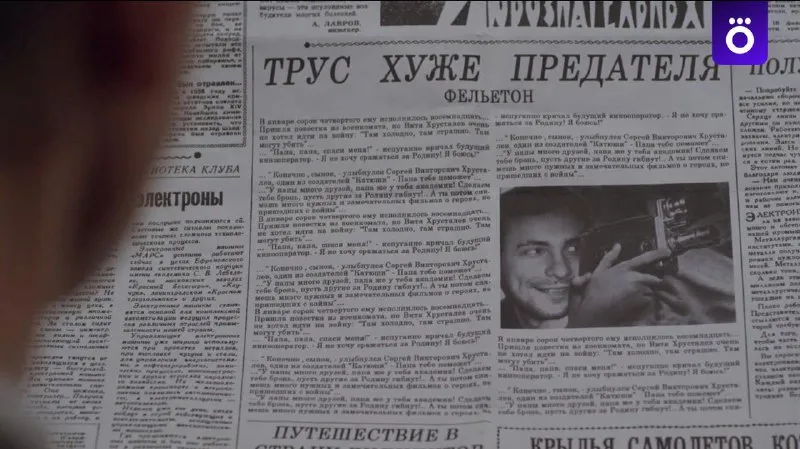
And then I come across a shot with a whole newspaper column devoted to one of the main characters. Naturally I hit pause, I want to read it all! But no such luck: it quickly turns out that the text here is one paragraph, copied and pasted as many times as needed to fill the space.
Of course, the series was shown on television back then, and it never occurred to anyone that somebody would pause it and start studying the whole text. And yet it seems that in contemporary series of a similar level you will no longer find such small harmless bloopers (they will all be big and hurtful ones, yes; just give us a freeze-frame to examine)
14 December 2024
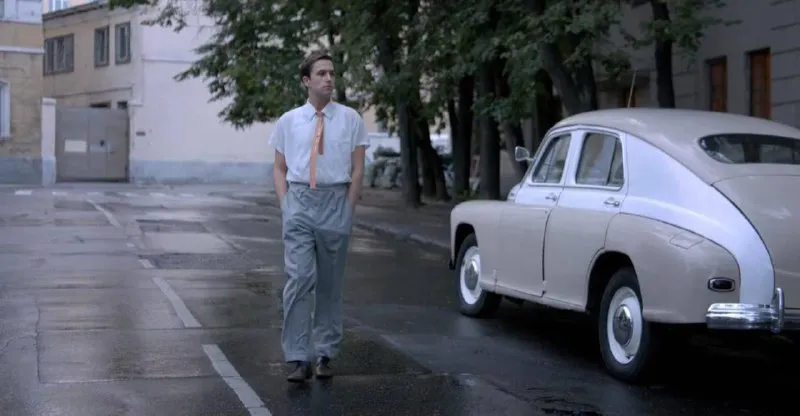
Valery Todorovsky’s The Thaw, about filmmakers of the 1960s, had long been on my watch list, but the final push came after watching Namedni 1961) (Leonid Parfenov’s documentary chronicle of Soviet life). I wanted to prolong my immersion in the era. And here plenty of 👀 reactions came in, so I owe you a detailed review of the series!
To convey how thoroughly, vividly and in detail this story immerses you in a world of its own in every aspect, I will give one example that I liked (and, most importantly, one without spoilers). When watching/rewatching, pay attention to the nameless passer-by who witnesses the naked performance of the girl offended by Evgeny Tsyganov’s character at the very beginning of the first episode. After this moment a whole era will pass in the series, but you will remember this passer-by: Egor Koreshkov’s character looks at the seated girl with such surprise, with a viewer’s curiosity. He is a true wordless witness of the era, since we never even learn his name. But he will make a second appearance, in the very final scene, and it will be emphasised specially so that we notice.
In parallel with the characters we followed, this lad will also live his life, which stays off screen, and will also say goodbye to the Thaw in his own way (I will not retell the final scene). This is us, the viewers, who entered the story because it began vividly and left it a little different, having absorbed everything we saw from the outside. And feeling through the screen such depth in working with an era, in which not everyone was a protagonist but everyone lived their own “thaw”, is a very valuable emotional experience.