Wicker: The Fairy Tale We Deserve
In short
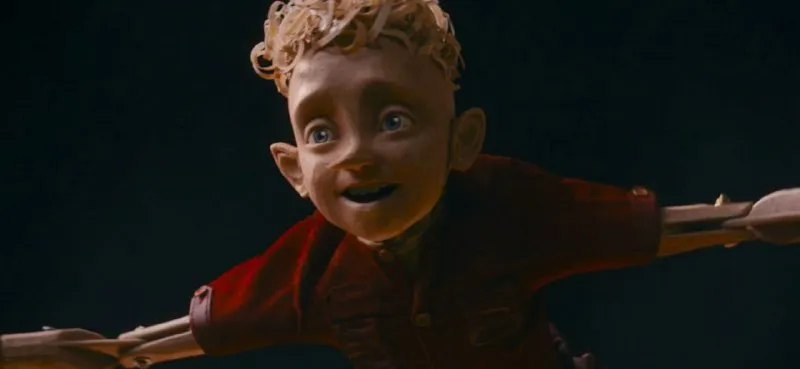
“Wicker” is a 2026 film directed by Alex Huston Fischer, Eleanor Wilson. Wicker is, literally, the fairy tale we deserve. This parable about how it is best to live by your own wits has a very compact yet expressive language.

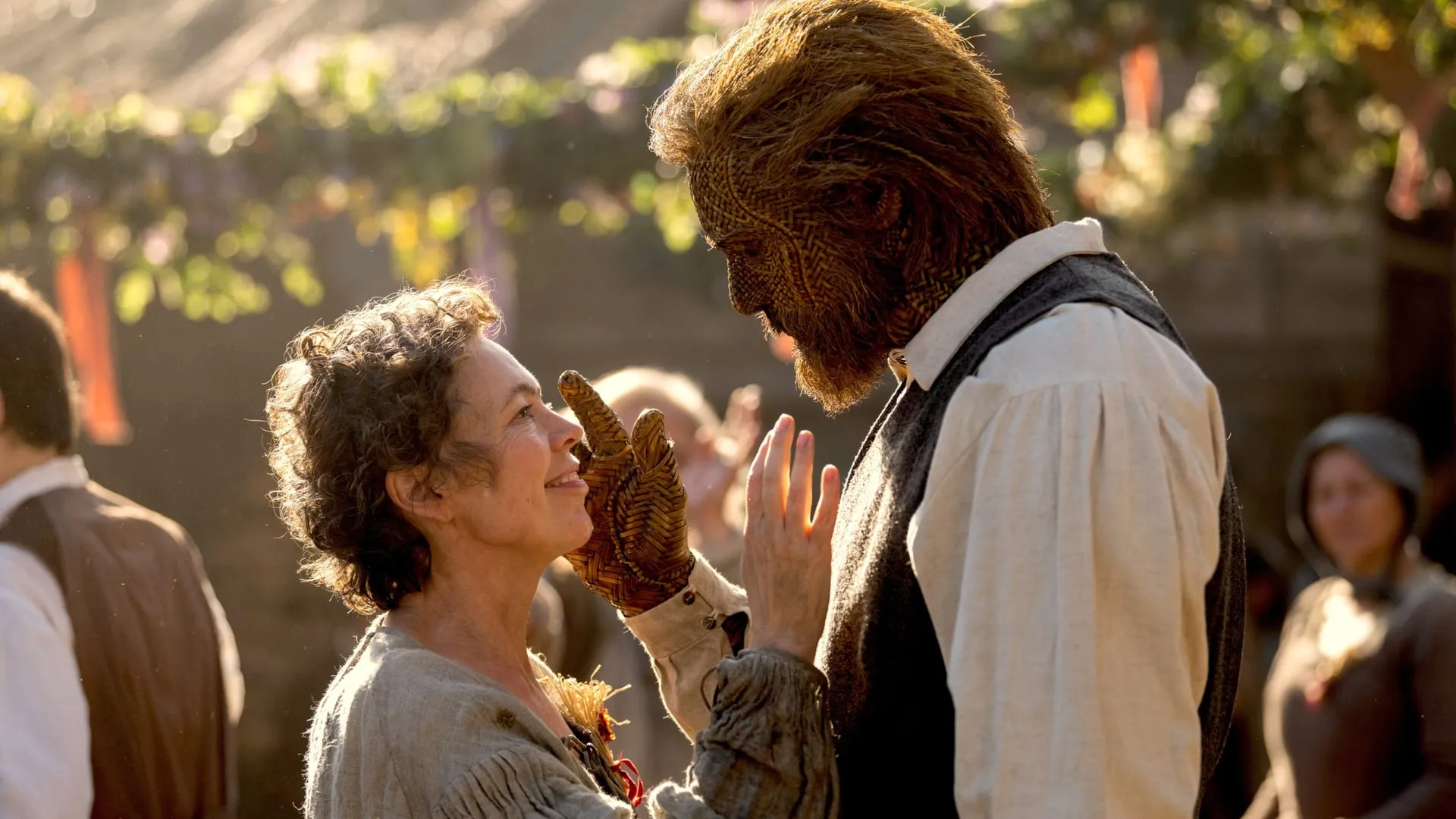
Wicker (released in Russia as Pletyony muzh, “The Wicker Husband”) is, literally, the fairy tale we deserve.
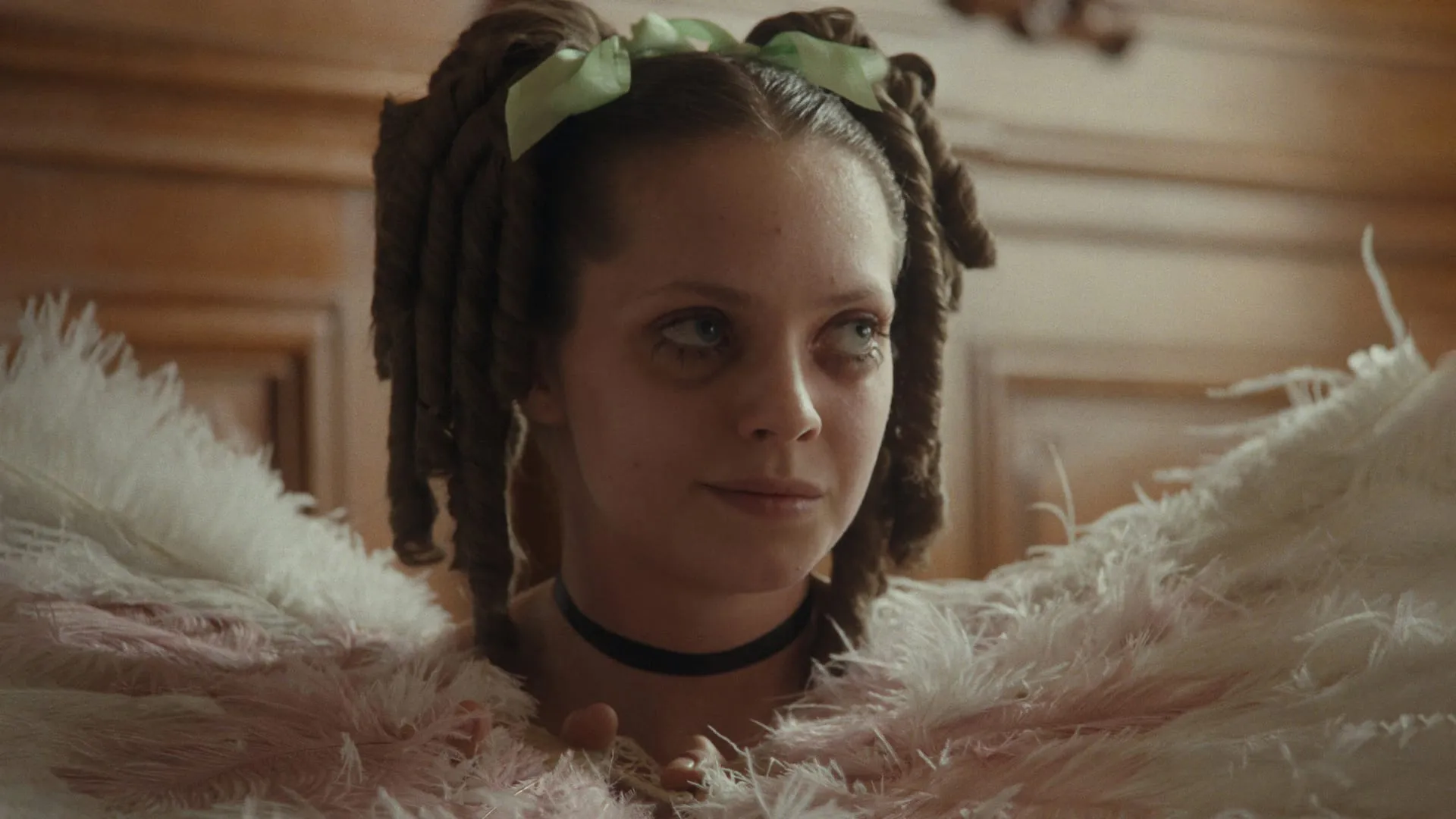
This parable about how it is best to live by your own wits has a very compact yet expressive language: in its script, its visuals and its symbolism alike. The medieval world of the little town where the action unfolds is built so painstakingly and inventively that you seem to fall right into it and find yourself in the middle of the street.
What is more, the characters have no names, only their trades: the Basketmaker (Peter Dinklage), the Fisherwoman (Olivia Colman), the Dishwasher and others. The forms of address say a lot about how this society is arranged, too: every woman except the heroine serves as an appendage to her husband, the Tailor’s Wife (or the Healer’s Daughter), the Baker’s Wife, the Innkeeper’s Wife. Nor do their own husbands respect them much, which is hardly surprising.
But what they enjoy most is ganging up on the Fisherwoman: she has no husband, they say, so she is not a complete person. Colman’s heroine is bullied so badly that she goes to the Basketmaker to ask him to weave her a husband (played by Alexander Skarsgård), and that is where the most interesting part begins. The life of the town does not get one bit better from every member of society now living in a traditional marriage, but the Fisherwoman’s life changes forever. The rest of the film is devoted to how other people’s happiness enrages people, and how hard it is to defend yourself against that hatred: one of the wisest statements, and at the same time one of the most modest in its means.
You can see this love and unlove in Russian cinemas from 5 November, courtesy of @provzglyad.