Crime & Punishment: Ivan Yankovsky Is the Perfect Raskolnikov
In short
“Crime & Punishment” is a 2024 series directed by Vladimir Mirzoev. It seems Ivan Yankovsky is the perfect Raskolnikov. Misanthropic and merciful, unbalanced and rational, majestic and degraded all at once.

2 November 2024
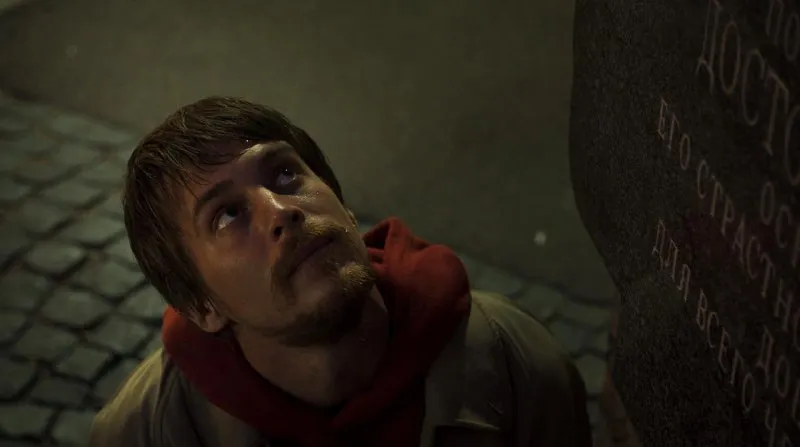
Splitting the series based on Crime and Punishment into two parts is an excellent idea.
Not only because it is fashionable in the series world right now (recall Baby Reindeer, with its division by meaning, or Ya znayu, kto tebya ubil (“I Know Who Killed You”), with literally two blocks of episodes). But also because of the semantic structure of what happens. Today we saw the exposition, the crime (even in the plural), while the punishment, as happens in life, is not only delayed but also more agonising than the crime itself (in our case 6 episodes against 4).
A very simple but effective formal device makes waiting for the second part of the series practically guaranteed. We commit the crime almost playfully together with Raskolnikov and his Devil from Dostoevsky’s metaverse; it seems to fall into our hands of its own accord. But the punishment will come later, when all the thoughts have been thought over, all the hypotheses put forward and all patience exhausted (all the more so given the postponements of the premiere).
There is only one question: how do I now stop seeing this structure in every series I watch along the way?
2 December 2024
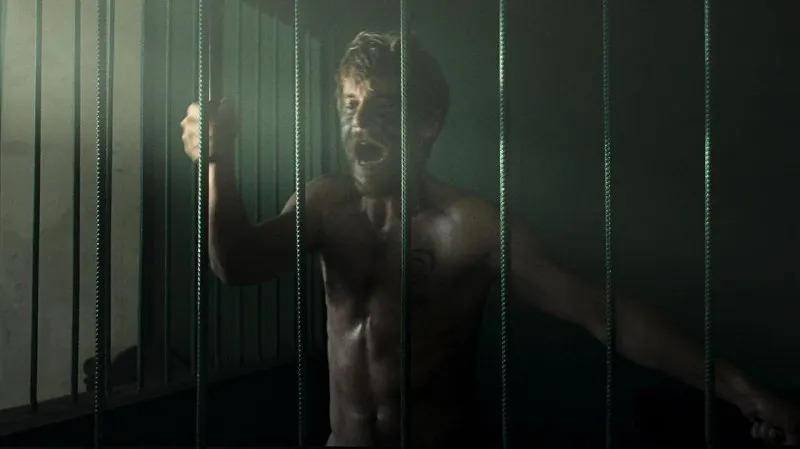
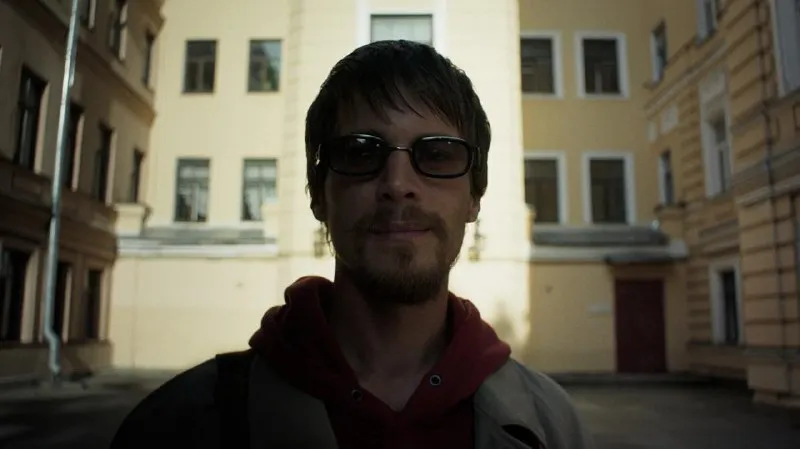
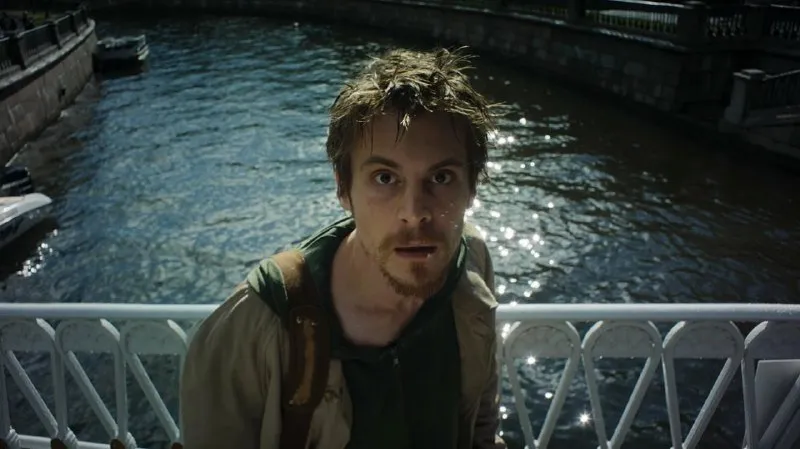
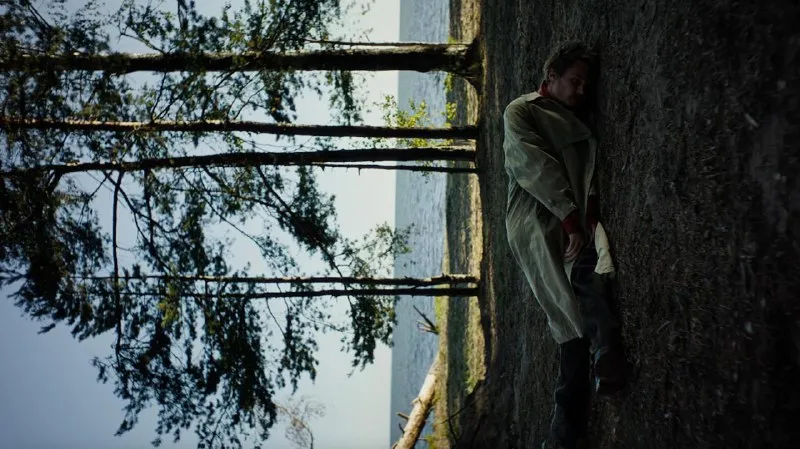
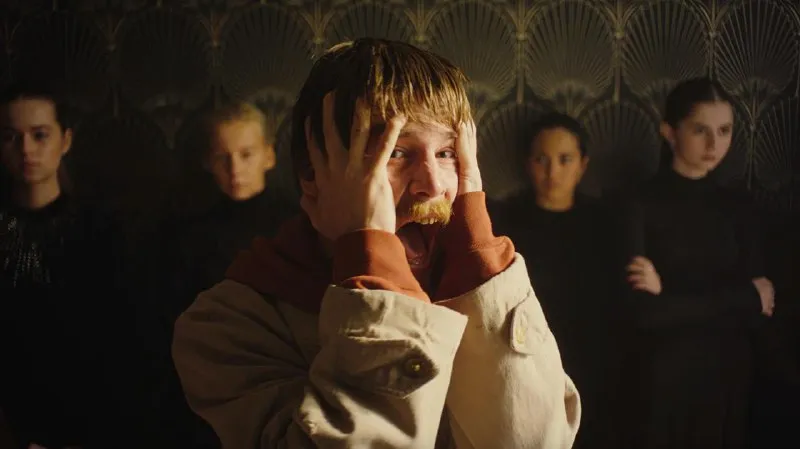
*tag yourself on Monday*.
It seems Ivan Yankovsky is the perfect Raskolnikov. Misanthropic and merciful, unbalanced and rational, majestic and degraded all at once. His portrayal is especially well suited to the finale that Crime & Punishment received in Vladimir Mirzoev’s directorial reading (no spoilers, but the resolution is a curious one).
After watching all 10 episodes of the new Crime & Punishment, it becomes obvious that the on-screen madness and devilry around the crime itself are absolutely necessary and appropriate. And just as appropriately they disappear towards the end of the story (or rather jump from Raskolnikov onto Luzhin, Svidrigailov and other characters; incidentally, all the supporting performances are utterly outstanding).
And here a great moment of talentedly deceived expectations arises, leading to an impressive resolution. The series pretends that everything is heading towards what we expect: Raskolnikov and Sonechka off to penal servitude, that sort of thing. But no such luck. And it is for this final surprise, when it would seem nothing is left for sudden twists, that the series is definitely worth watching to the very end.