Sentimental Value: A Film About the Healing Powers of Art
In short
“Sentimental Value” is a 2025 film directed by Joachim Trier. However many themes the film raises, for me it is first and foremost about the healing powers of art.

20 November 2025
By the way, as for atmosphere.
I have yet to watch Joachim Trier’s Sentimental Value, but I am looking forward to it, because I want to watch it with maximum attention to detail, on the big screen if possible. The Grand Prix of the Cannes Film Festival, after all!
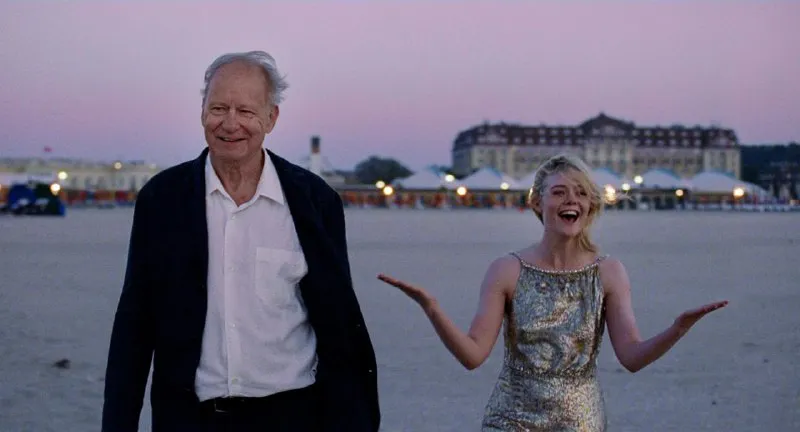
You can see this melancholy dramedy about family, memory and the reconciling power of art, with Elle Fanning and Stellan Skarsgård, this coming Sunday at Garage Screen (the cinema of Moscow’s Garage Museum of Contemporary Art). It is a cool space: watching films there, or listening to lectures, for example, is a great pleasure. My wish is to break away and get there despite my mountain of things to do, and I advise you to do the same.
11 January 2026
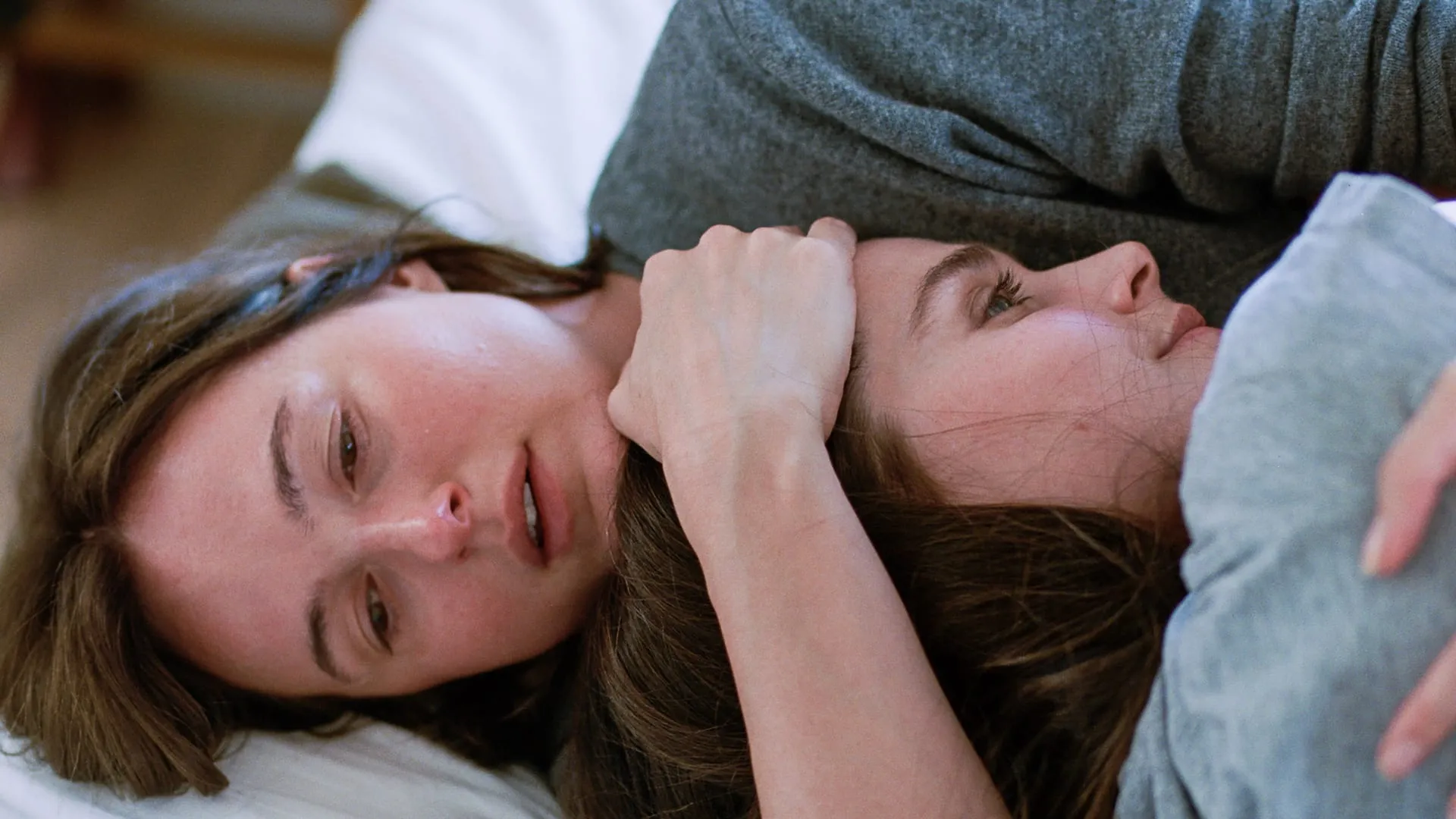
Sentimental Value coincided nicely with the melancholy at the end of the New Year holidays.
However many themes the film raises, for me it is first and foremost about the healing powers of art. And the paradox of the picture is that it is easy to connect with every character, no matter how empathetic (or not so empathetic) a person you are.
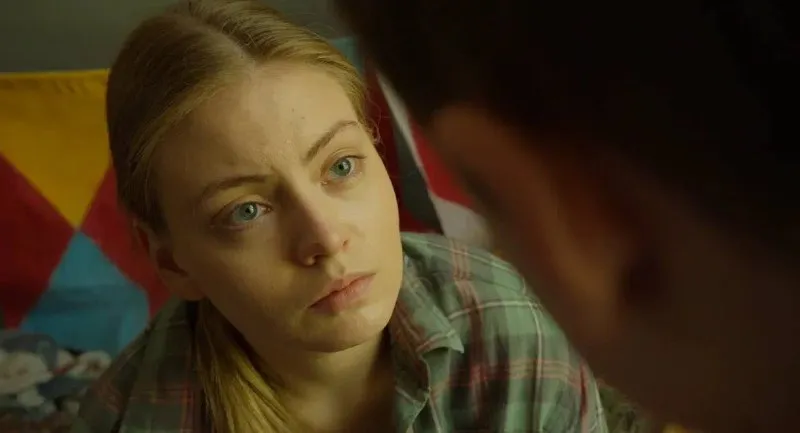
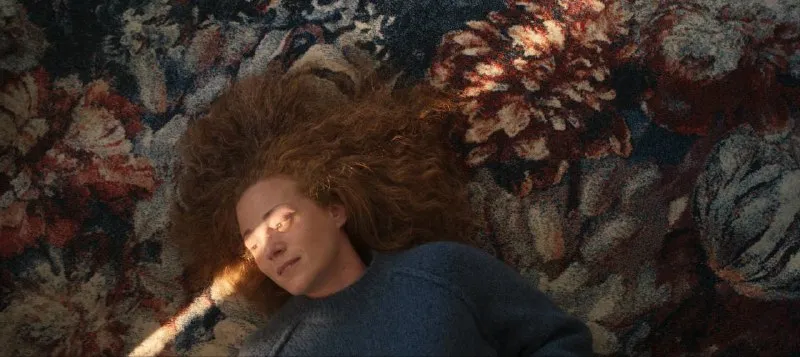
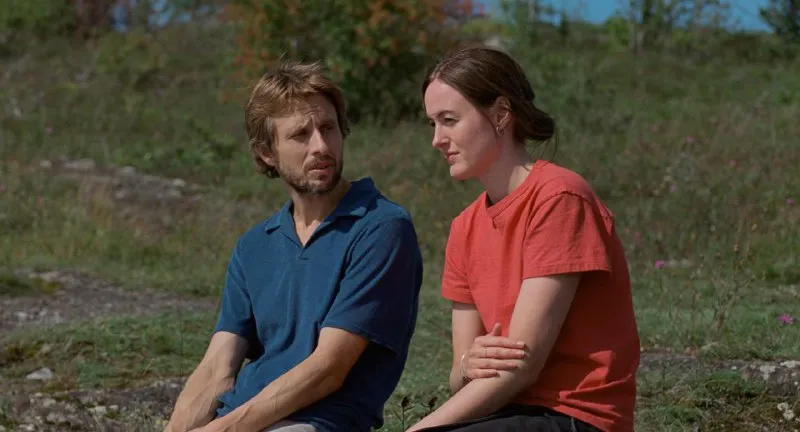
When the elder daughter, Nora, resentful since childhood towards the father who left the family and in the end a depressive person, finds something salvific in going on stage and reading the script, you understand her. When the younger daughter, Agnes, has the strength to understand both her sister and her father, you share her impulse 100%. When the feckless father and somewhat less feckless director Gustav himself rushes between a fatherhood already lost forever and a life in art that is not yet hopeless, it is hard to condemn him. Such a variety of empathies lets you look at yourself as if in a mirror with many facets: in some you look better, in others worse, but invariably honestly. And the finale, in my opinion, is a rare case where the concept of “hope” has been transferred to the screen in full, and for that alone it is worth getting to.
The film is harmed just a tiny bit by its deliberate touches of melodrama. Like Gustav briefly ending up in hospital, or Agnes’s fleeting reluctance to approve her son’s participation in the film. I am not inclined to justify manipulative devices, though of course they do have a place. But for the subtleties listed above, as well as the episode with the story of a whole family told as if from the point of view of the house, I am grateful to the film in the end.