Tony: A Sweet Film with Gastronomic Charm
In short
“Tony” is a 2026 film directed by Matt Johnson. Tony is a sweet, inessential film that is best not watched on an empty stomach.

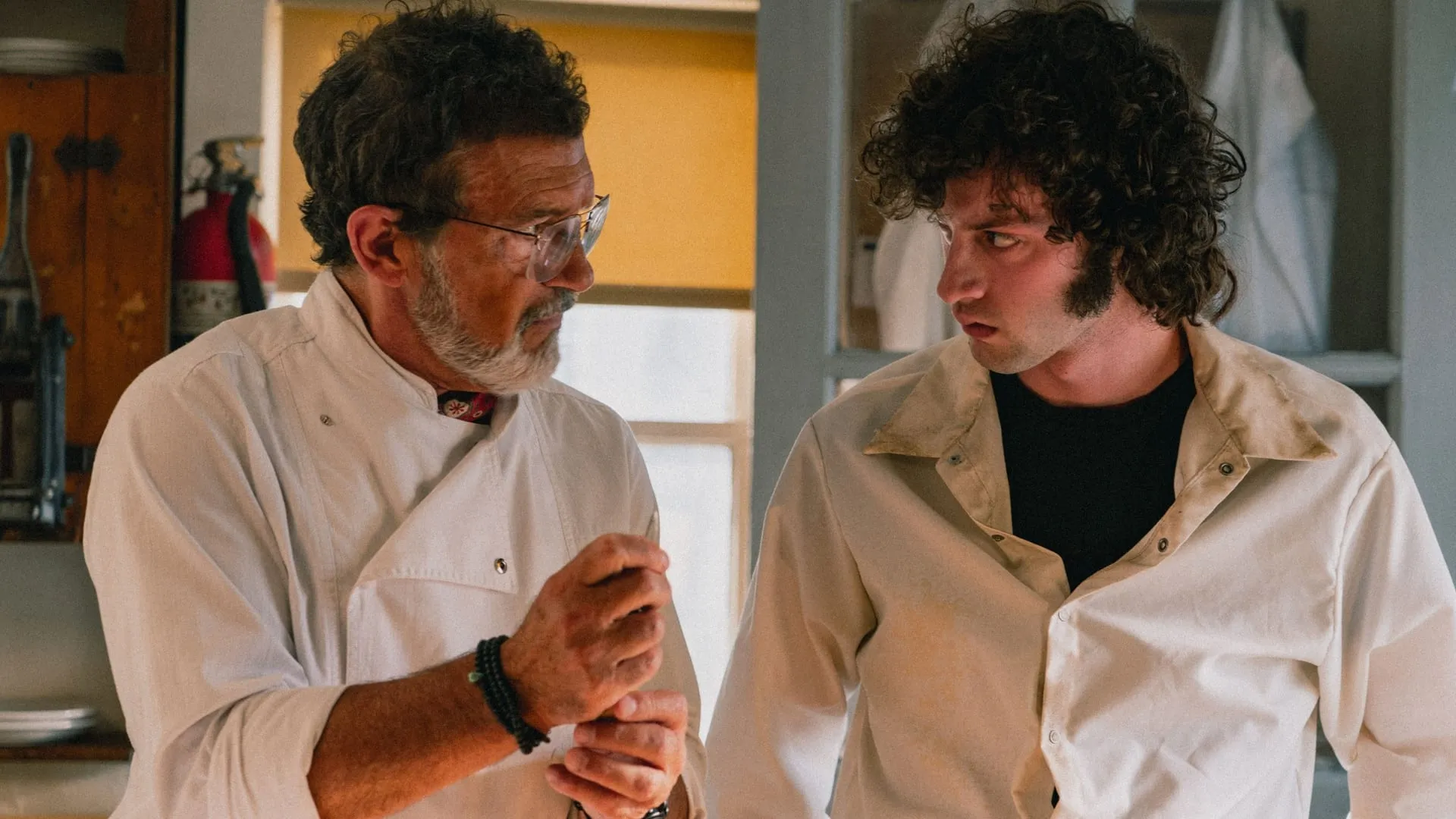
Tony is a sweet, inessential film that is best not watched on an empty stomach.
The story of how the famous chef Anthony Bourdain came to be, played by the negatively charismatic Dominic Sessa, is full of twists that at first glance are well worn: the cocky young man does not get his scholarship, his beloved turns out to have another boyfriend, and on his very first night in a provincial town Tony has his wallet cleaned out (a wallet filled, incidentally, with money stolen from his parents’ house). Life (with the face of Antonio Banderas) diligently (though not to the point of flatlining) douses Tony with icy water so that something may come of the young man, and to some extent this even works as the engine of the plot.
What hooked me was the rapid transformation announced in the trailer: I decided to watch the film to find out how a person who saw himself as a writer turned, over 3 months of holidays, into a cook by vocation.
For all the room the subject gives for unleashing passions on screen, the film is surprisingly sterile: of emotionally engaging scenes there is only one spectacular rush in the kitchen. And it was as if (owing to the predictability of the biopic) there was not much need to worry about Tony’s own fate. The place of the hero you want to root for is taken by his colleague and pal Saul (Leo Woodall), a hail-fellow-well-met type who collects vices and splinters from the door frames of the bedrooms he has managed to visit. Against such a supporting character with a far more dramatic fate, Tony himself loses out.
But the best thing the film demonstrates, both in words and by its own example, is that it may be better to become at least somebody than to remain nobody.