The Drama: A Vivid Demonstration of Broken Tolerance
In short
“The Drama” is a 2026 film directed by Kristoffer Borgli. The Drama was for me a stunningly vivid film about broken tolerance. And also absolute cinema of artistic exaggeration.

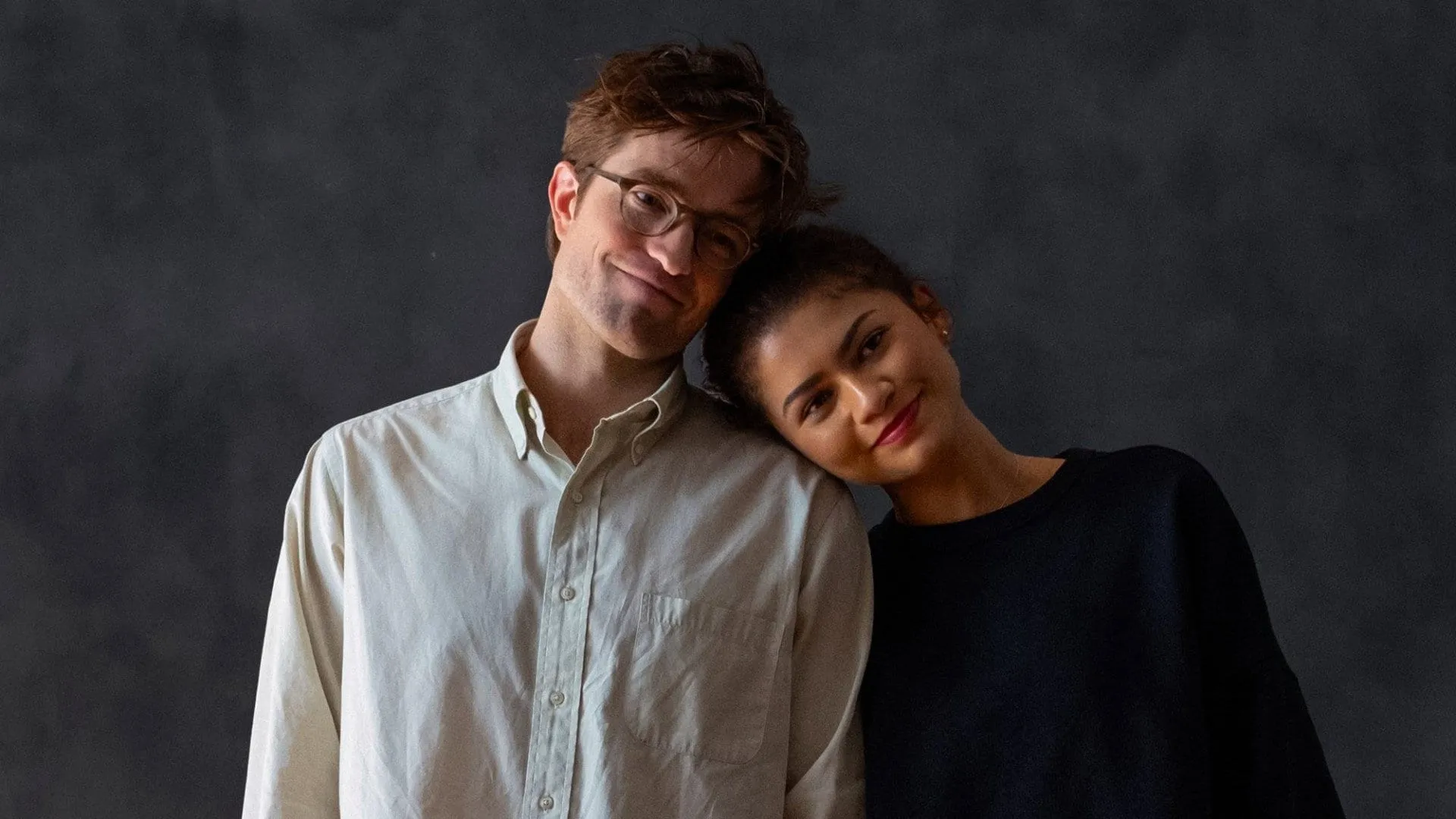
The Drama was for me a stunningly vivid film about broken tolerance. And also absolute cinema of artistic exaggeration.
The anti-rom-com with Zendaya and Robert Pattinson has a lot of everything with the prefix “over”. Over-reaction to the heroine’s confession of the worst deed of her life (paradoxically, it is not even a deed but thoughts). Over-concentration of infuriating traits in the newlyweds’ best friend as played by Alana Haim: her character is constructed deliberately for the audience to hate, and I do not even know how to watch Licorice Pizza now with the same actress in the lead. Over-susceptibility of Pattinson’s character to the opinions of those around him: I am sure that if he and his bride had had that conversation in private, rather than to the drunken hooting of friends who themselves instigated this exchange of confessions, everything would have gone far more peacefully.
And the most inside-out thing is the context of the action. In a world where everyone is capable of forgiving deeds from cyberbullying to domestic sadism on hearing merely a clarification of the age at which the misdeed was committed (like, 15 years old, no sense yet), it proves impossible to accept the existence of thoughts about something worse than one’s own mischief. Director Kristoffer Borgli shows how hard it turns out to be, in the age of universal tolerance, to show tolerance precisely towards dissent from the social norm (even if it was never backed up by actions). Worse still is watching a groom who, under pressure from society, is ready to renounce “the love of his life” in one fell swoop. No comment.
Conclusions? The film is an excellent social horror. The main characters would have been helped by the proverb “let bygones be bygones” (the Russian version runs: whoever brings up the past loses an eye).