Half Man: The Finale Is Worth Watching for One Scene and One Character
In short
“Half Man” is a 2026 series directed by Alexandra Brodski, Eshref Reybrouck. The last conversation between Ruben and Niall in prison, through a wall of clear plastic, is a stunningly concise expression of both heroes’ nervous breakdown.

30 April 2026
*she spent two days thinking how to write about this series*
Half Man hits the viewer’s nerves at full swing with a heap of hints and not a single interpretation, which is to say with an uncertainty heavier than some tortures. The series about the difficult relationship of two, in essence, stepbrothers looks far more striking than it sounds in a retelling, precisely because of the ambiguity of both main characters. How each of them perceives the other is quite a puzzle.
Richard Gadd, the writer and producer of this story, who previously impressed everyone with Baby Reindeer, has undergone a colossal change of image. Now he is not the “doormat” type but, on the contrary, Ruben, a brutal guy radiating an aura of danger within a kilometre’s radius. For everyone, that is, except Niall, the brother who appeared by force of circumstance, with a far more modest physical and moral make-up. It is to him, incidentally, that the reindeer nickname has stuck (one Richard apparently has no intention of giving up in his projects). The story of the heroes’ relationship develops from adolescence towards a specific moment in adult life, which looks like the most chilling episode of the first instalment.
Half Man can be called a coming-of-age story, a drama about toxic masculinity and even a psychological thriller. Most important of all is the speed with which the series seizes your attention, leaving no chance of declining to watch the second episode.
6 May 2026
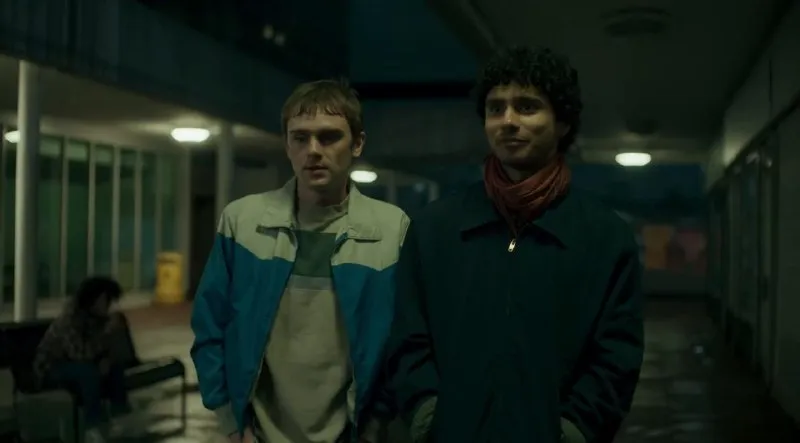
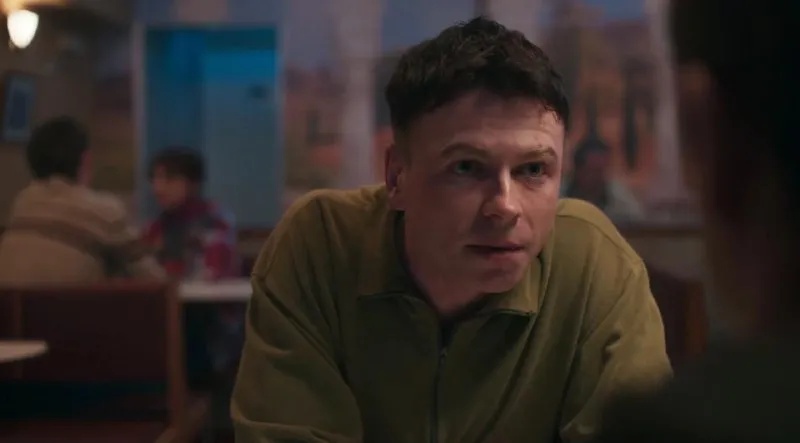
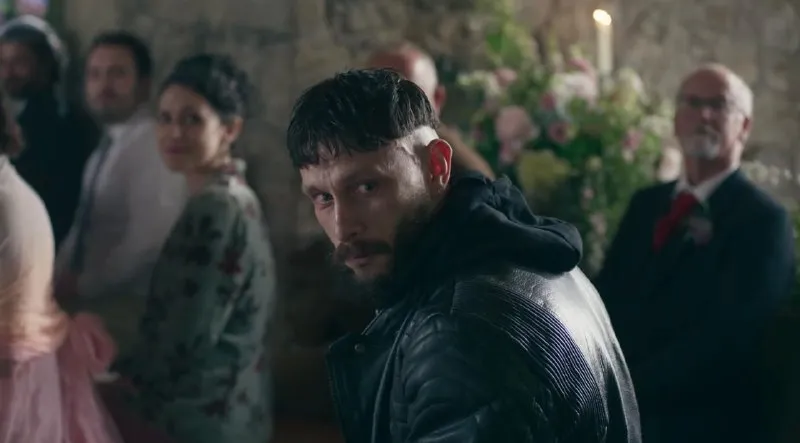
From the second episode of Half Man one gets the clear impression that this could have been a very funny comedy of misunderstandings, were it not for the utter realism of the consequences of all the heroes’ actions. In essence, that very step from comedy to tragedy, which Half Man takes in the direction of the latter.
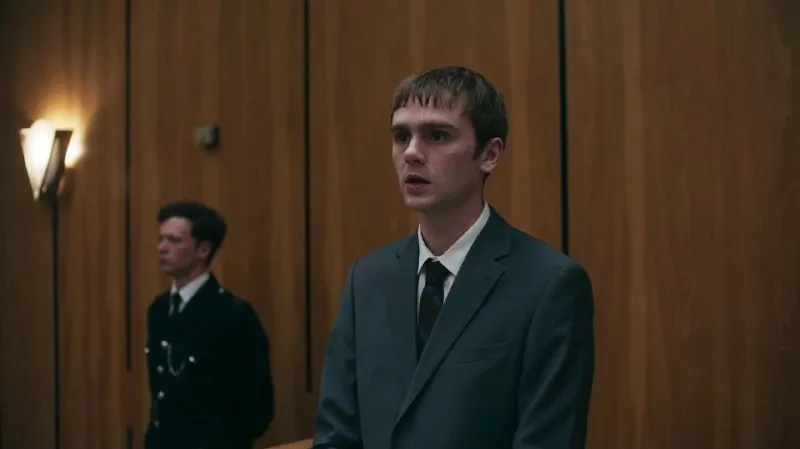
Most of the screen time, as in the previous episode, goes to the young versions of the heroes, Mitchell Robertson (Niall) and Stuart Campbell (Ruben), and they, of course, deliver the strongest work. They are joined by the young incarnation of another important character, Albie, played by Bilal Hasna. I think we will 100% see some of these names in the coming awards season.
As for the famous discomfort in viewing, for which the series has already made a name for itself, it arises in fragments, sometimes giving way to moments that are even too bright. All the more painful to descend this rollercoaster back into the hell of uncontrollable catastrophe that engulfs the heroes time after time. And, it must be noted, 70% of the anxiety is down simply to the figure (not the words, not even the actions) of Richard Gadd, the adult version of Ruben: he turns your stomach worse than any cruelty shown on screen.
11 May 2026
The midpoint of the Half Man season is marked by the most powerful episode (possibly of the whole season). And by a no less impressive cliffhanger at the end of the episode. In short, the psychological thriller we deserve.
As was bound to happen, the conflict that at first seemed absolutely black and white has gone into shades of grey. Of all the parties, only Albie seems unconditionally unambiguous, and even that, as the series has already taught us, with the proviso “for now”.
And now we also have an idea of how the taking of a single decision can be made into one big 50-minute doubt, complicated by a rising sense of guilt. It fits very well into the series’ high concept about the influence of preceding years on one specific day in the future.
19 May 2026
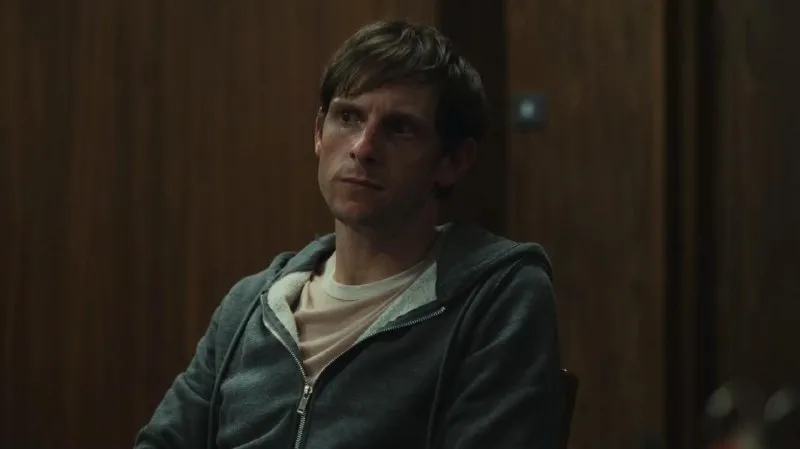
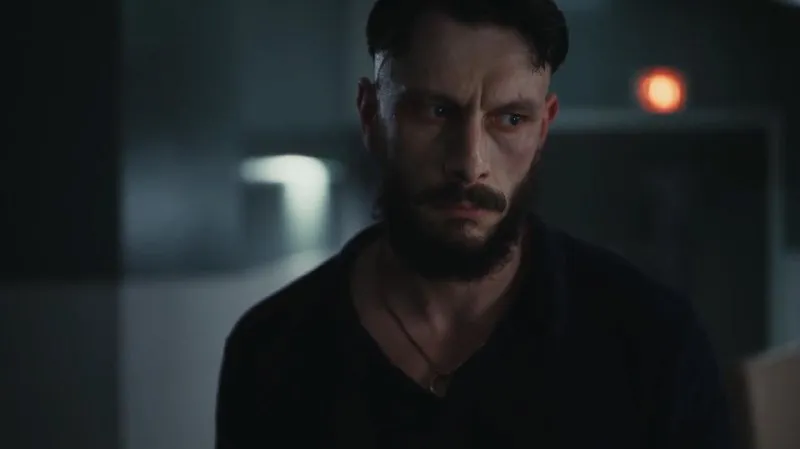
Interesting things happen with Richard Gadd’s series.
In Baby Reindeer an important part of the plot hinged on how the life of a victim of traumatic events is subsequently built around the original catastrophe, and at what price healing happens (and not always, at that).
In Half Man, on the contrary, judging by the fourth episode, they are beginning to hint to us: are we not fixating too much on our trauma? Maybe we should stop replaying how someone hurt and insulted us, and instead get on with our lives? Because years later the difference between the one who found the strength to move on and the one who decided to stay in the victim’s costume is colossal. Both heroes, who considered themselves victims for many long years, end up living radically different lives, and it is impossible to watch this without emotion. Especially relevant when confronting global crises that traumatise everyone.
What a curious circle the moral of the fable has made from 2024 to 2026, though.
31 May 2026
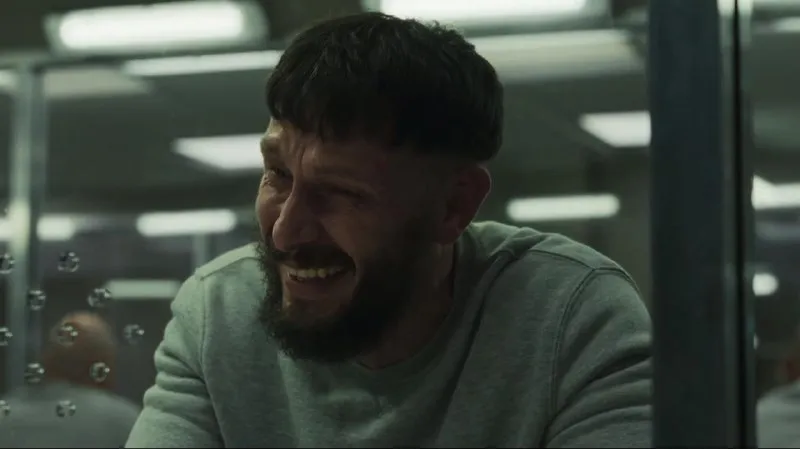
The final episode of Half Man is worth watching for one scene and one character (who does not even take part in it).
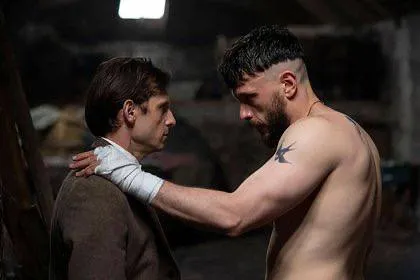
The couple of revealed moments from the past played, by and large, no role in moving the plot. We already knew whom Niall was marrying, and we had already seen that Ruben was at the wedding without his family. The fatal outcome of the fight in the shed was shown back in episode 5, so that circumstance could hardly surprise either.
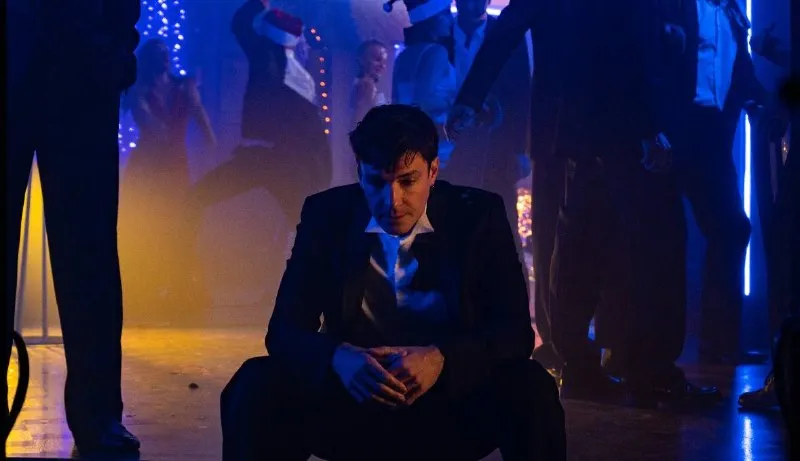
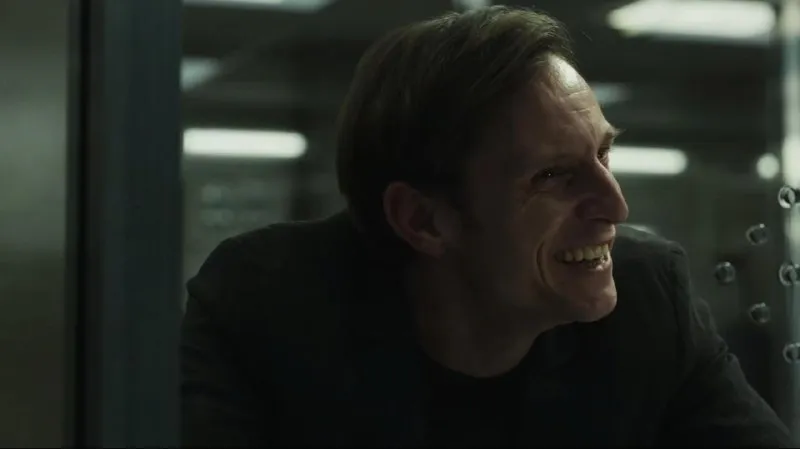
One specific moment closed the whole chain of absurd self-harm to one’s own life and others’. The last conversation between Ruben and Niall in prison, through a wall of clear plastic, is a stunningly concise expression of both heroes’ nervous breakdown. Their entire fate over a couple of decades comes down to a brief enumeration of facts that are hard to say and to hear without laughing at the absurdity. It all resembles some sad joke.
And then I remembered which “joke” would fit here. There is nothing worse than building your life on an attempt to guess what the other person is thinking (even if that desire is caused by past trauma). There is nothing funnier or more senseless than years and decades spent in that mode. One hero managed to break out of the vicious circle: Albie. His life and health were broken, he was literally trampled physically and morally. And here is this man, 20 years later, as if nothing had happened, smiling, meeting people halfway, ready to give people chances. I am sure that off screen he lived full years thanks to honesty with himself and to demanding that honesty from those around him (rather than trying to “guess for himself”). For me, perhaps, it is precisely this character who will remain the main one in the story.