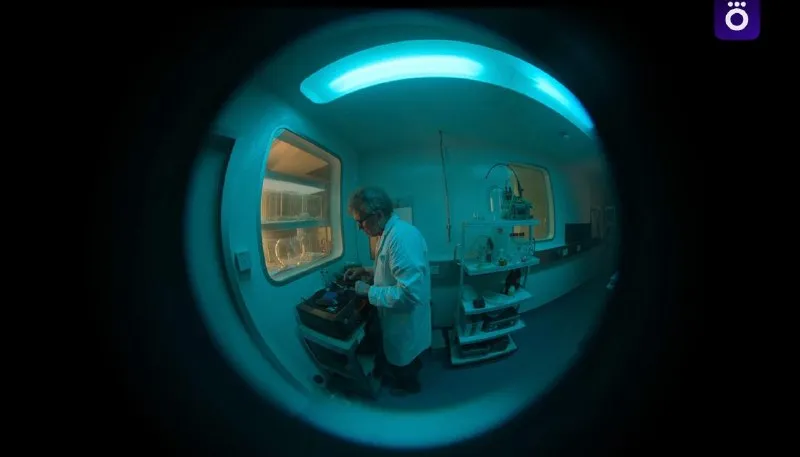
SeriesBig Pharma: The Pleasure of Visual Language
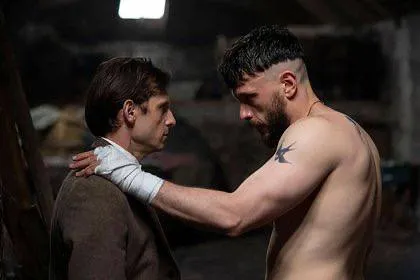
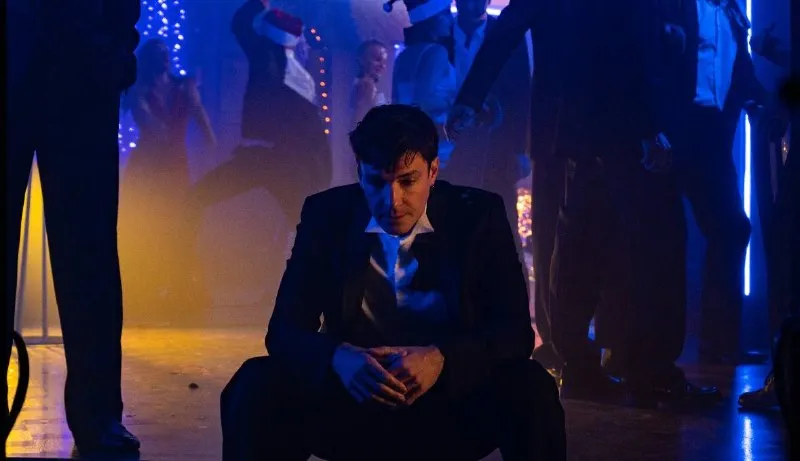
I have started Big Pharma, and I am getting real, sincere pleasure from the visual language of this series. You cannot take your eyes off it, in short.
All texts by Betsy Isakova tagged “thriller”: reviews, essays and notes, newest first. 19 texts.
I have started Big Pharma, and I am getting real, sincere pleasure from the visual language of this series. You cannot take your eyes off it, in short.
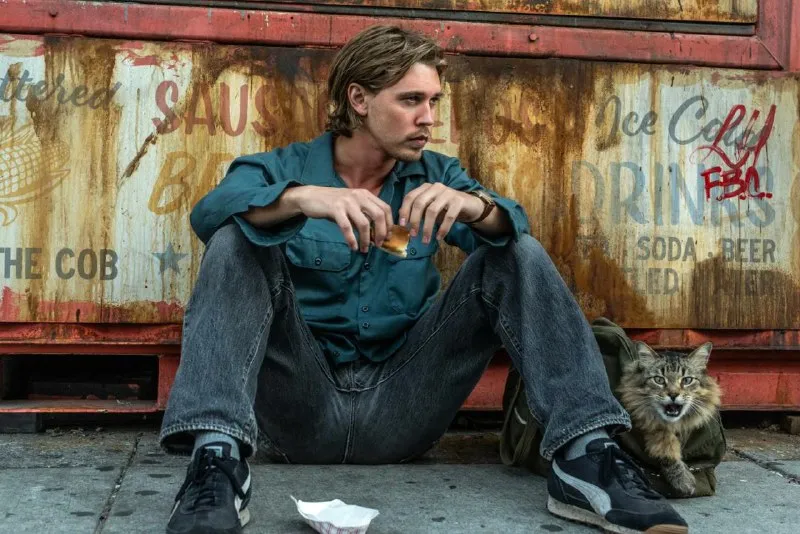
This is a neon psychological thriller with Connor Storrie, who, judging by the trailer, is in for all sorts of scrapes.
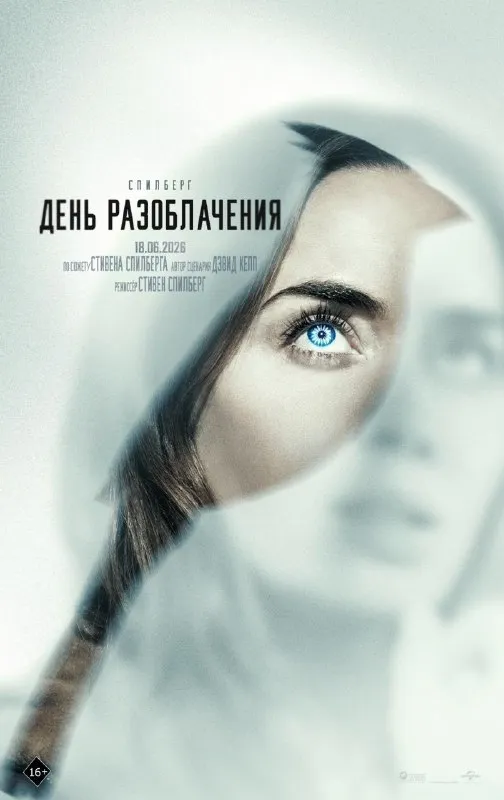
Steven Spielberg’s thriller with a fantastically bad script, and with Emily Blunt and Josh O’Connor, literally traumatised me.
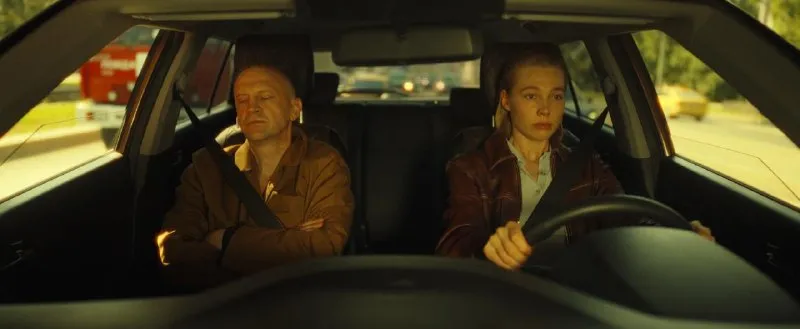
A Kidnapping has taken place: a very worthwhile chameleon thriller from Okko that is literally gripping to watch.
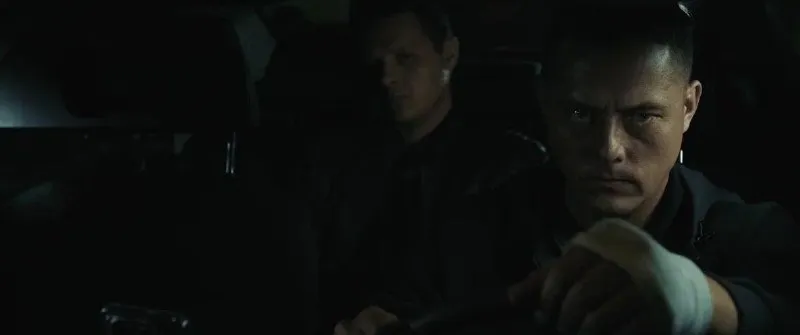
Among its undeniable merits is a consistent visual resemblance to the film Centaur. Otherwise, there are pluses and minuses, but it certainly deserves a chance from fans of the genre.
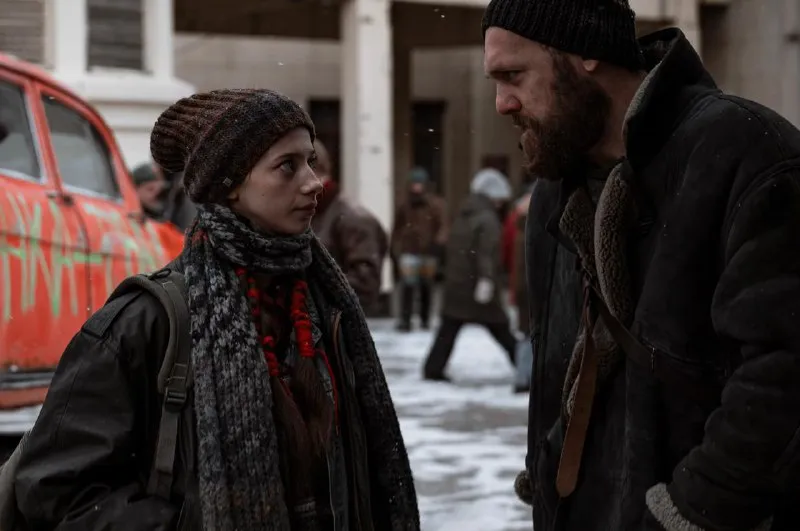
The story, shot as a thriller, can be watched both as the heroine living through her grief and as a thrill ride in which two maniacs from opposite ends of the spectrum have found each other.
The last conversation between Ruben and Niall in prison, through a wall of clear plastic, is a stunningly concise expression of both heroes’ nervous breakdown.
It is in this forced transformation from business shark into hostage of circumstance that, in my view, the main merit of the story at the start lies.
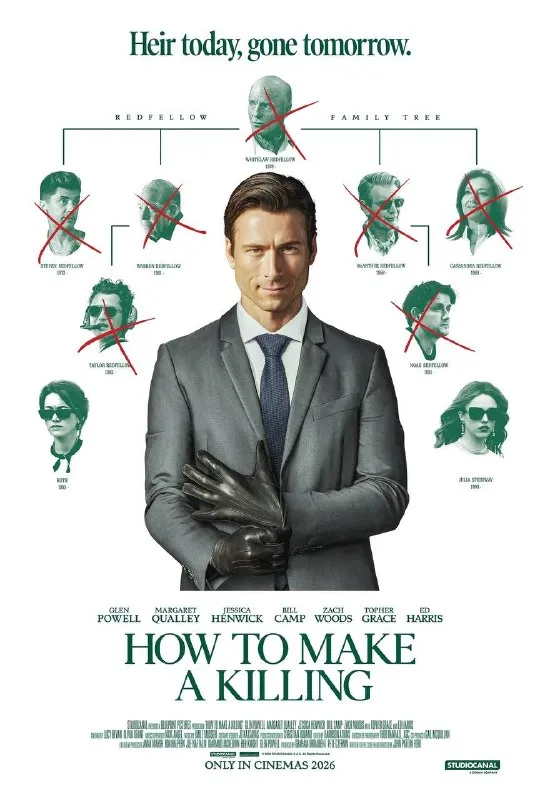
But How to Make a Killing grips your attention precisely through its philosophical side.
This is exactly the kind of film where form gets the better of content, which is both its main strength and its weakness at the same time.
Following the twists and turns of the fate of the hero played by Austin Butler with no idea how much more he still has to overcome is the best viewing experience.
Here, on the contrary, everything fits together so harmoniously, each element complementing the others, that the story really draws you in.
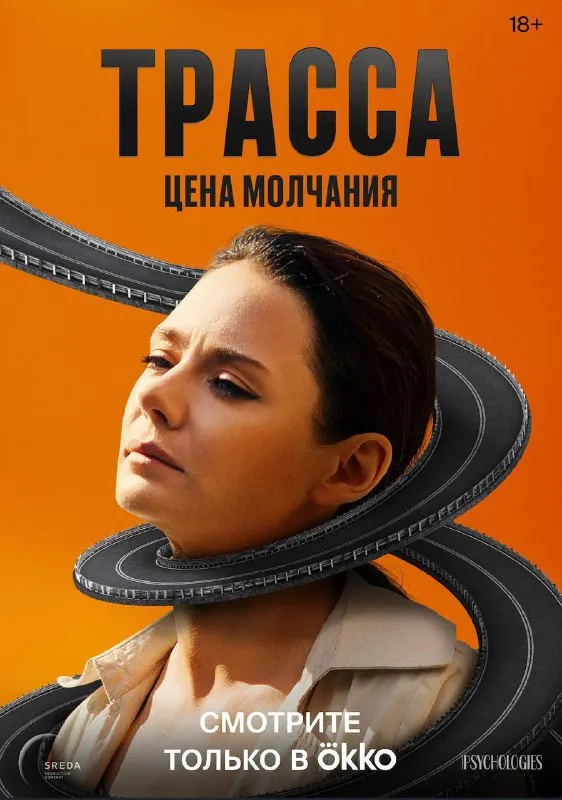
But seriously, the thriller’s plot winds exactly like the road inside a real tunnel, and behind the resolution of one problem the origins of another immediately lurk.
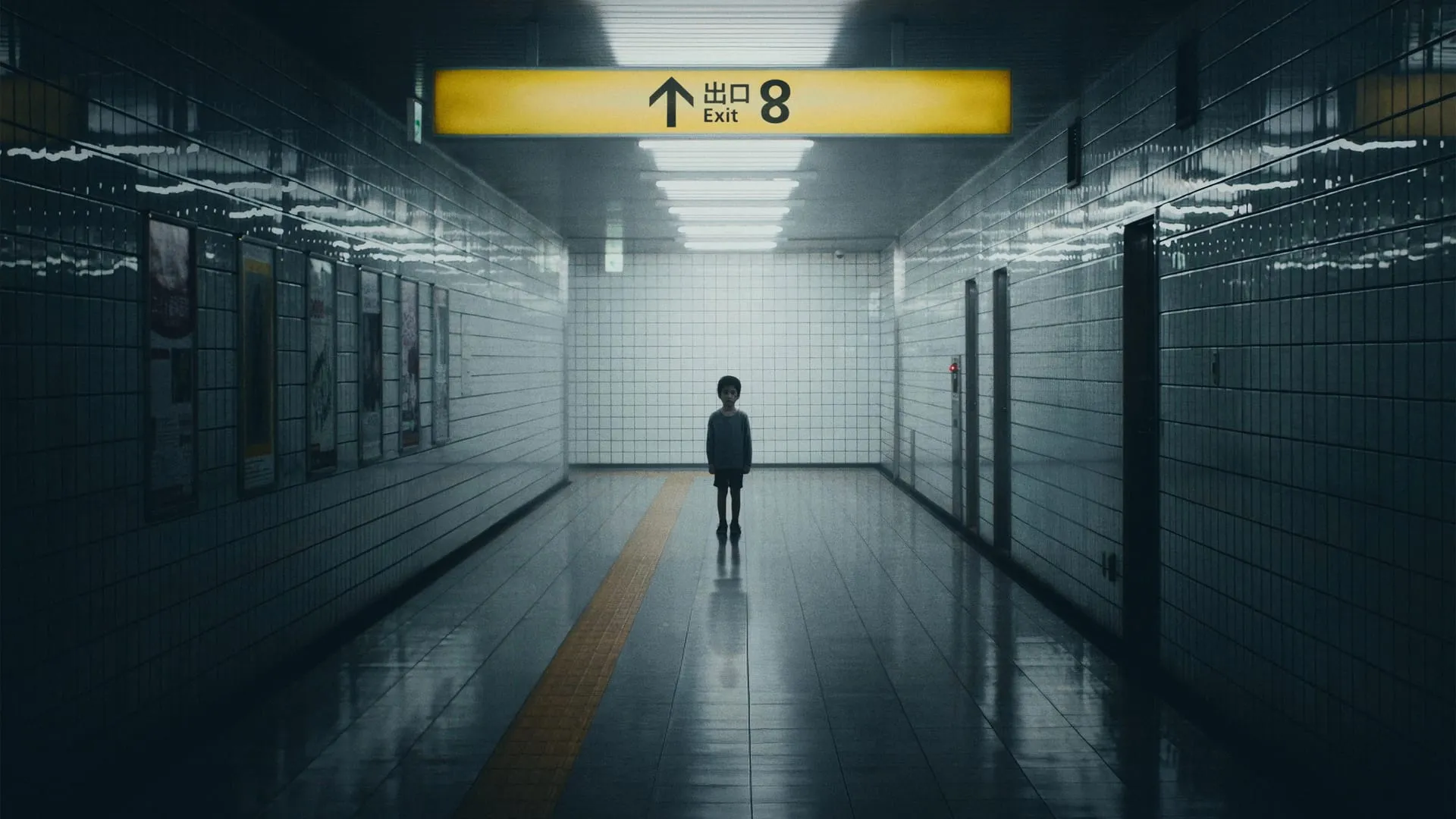
Exit 8 turns the viewer into an accomplice, as if the fate of the hero depended on our attentiveness too.
The story becomes ever more deeply a teen drama: with bullying, emotional dependencies and parental overprotection.
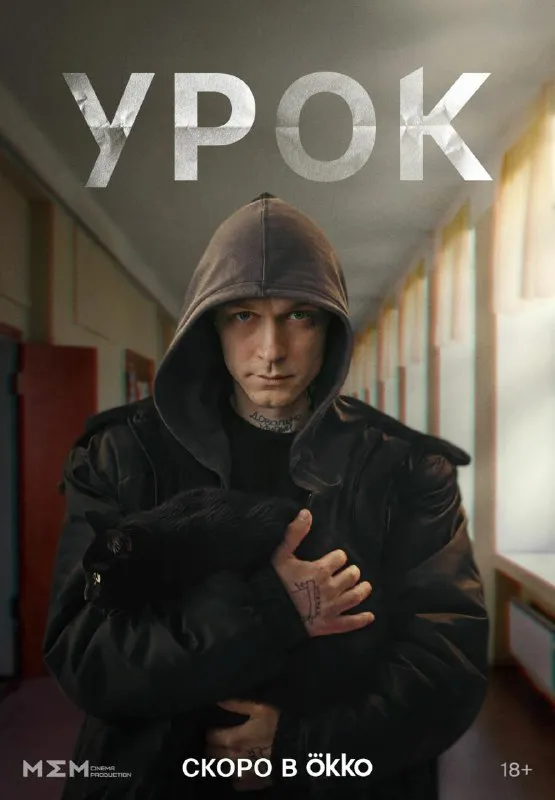
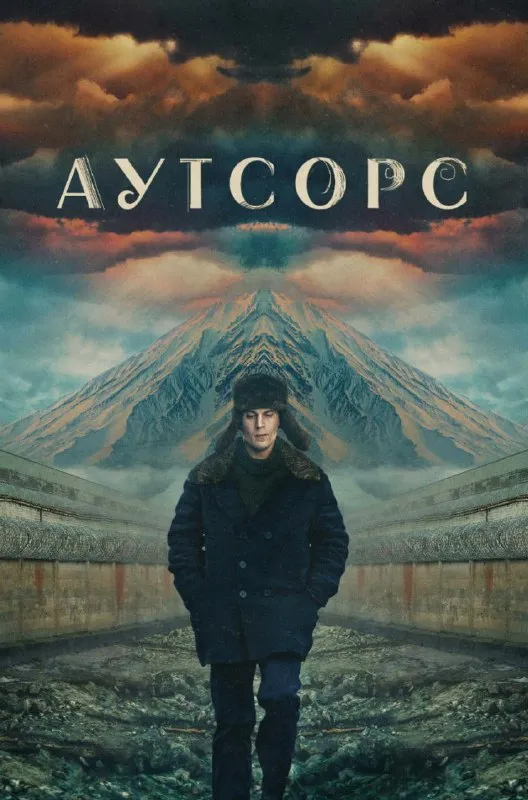
It is good that the story has partly come full circle: now Kostya Volkov will go off to a new job at another penal colony and stir things up there.
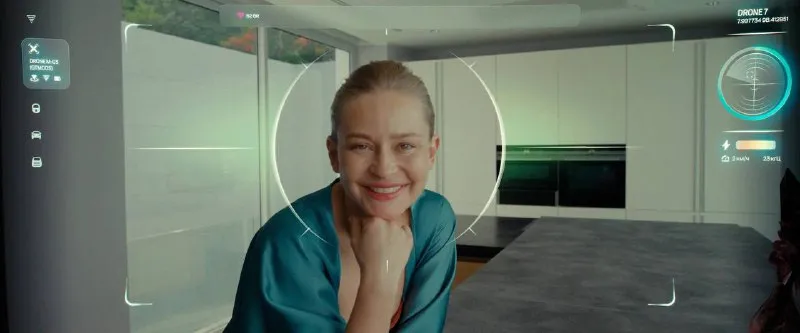
But a happy, harmonious holiday in a super-smart house turned into something between a horror film, a psychological thriller and a science-fiction drama.
The secret is this: each of the actors is a very clear-cut type turned up to the maximum, recognisable without a name from episode to episode.
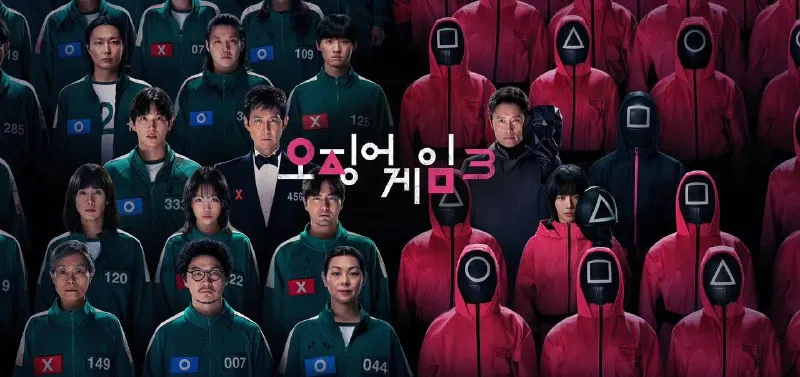
Over 10 episodes the story has established itself as a succession of utterly mind-boggling horrors that befell several characters.