The Irony of Fate: Myagkov’s Character Now Has a Justification
In short
“The Irony of Fate, or Enjoy Your Bath!” is a 1976 film directed by Eldar Ryazanov. well, now Myagkov’s character from The Irony of Fate has a justification in my eyes, and along with it an interesting alternative version in an office setting.

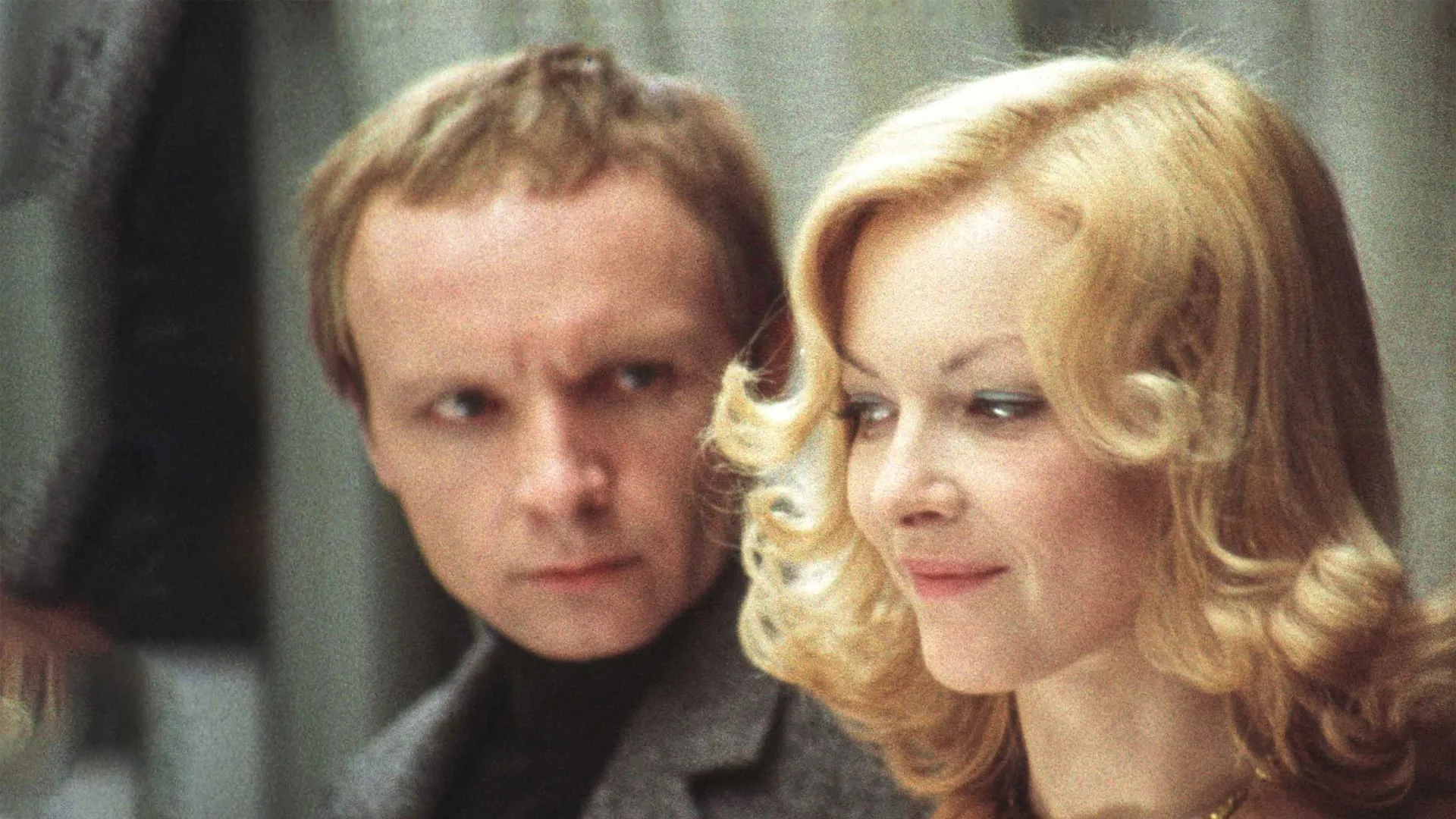
since there is no getting through the New Year holidays without The Irony of Fate (Ironiya sudby; every now and then it turns up somewhere, even if it was not in your plans), you might as well investigate the film!
that is how I came to Lev Karakhan’s 1978 article from Iskusstvo kino (“The Art of Cinema”, the Russian film journal), and found something interesting:
We meet Zhenya Lukashin on the day before New Year. He is one of the inhabitants of a modern city of many millions, whose panorama passes before us at the beginning of the film. He is “one of” also because in his standard-design flat, in his New Year tree placed in the corner of the room, and indeed in his fiancée, we easily recognise the likeness of dozens, hundreds, thousands of identical flats, trees and fiancées. However, as soon becomes clear, Lukashin is precisely the one who has not yet become “one of”. He only strives for it, tries to fit into the general order of city life. But he cannot. Something inside Lukashin resists his own aspirations and does not let him merge with that rigidly organised human stream, divided into proper rivulets, which the authors show on screen and in which everyone rushes along seemingly in their own way, but in essence along a standard, well-worn route.
<…>
Myagkov’s Lukashin is incapable of adapting to the established standards of modern urban life, but he sees no other way out for himself either, and does not look for one. So he marks time in one place, shifting from foot to foot in indecision, remaining in a position strange for this ruled-off “standard” world, that of a man who is neither one thing nor the other. It is this very strangeness that determines the genre originality of Myagkov’s work and of the picture as a whole, making the story of the bungler Lukashin now naively touching, now charmingly funny.
<…>
Coming to after his accidental flight, no longer in Moscow but in Leningrad, in Nadya’s flat, Zhenya suddenly discovers for himself the possibility of open self-expression, no longer constrained by anything. Although everything here would seem to be as before (the same standard flat, the same tree, even the fiancée is in a sense the same: Nadya and her intended, Ippolit, are marrying out of necessity, because the time has come, rather than for love), there is also a novelty in this situation that is fundamental for Lukashin. The situation is non-standard, and the relationship between Nadya and Zhenya, unexpectedly left alone with each other, is built outside any givenness or predestination that weighs on a person, solely according to unwritten rules and uninvented laws: by the will of their hearts. And it is here that the barriers separating two modern city dwellers collapse, and collapse literally overnight! Real love comes to them.
the passages where I do not quite agree with the author I did not include in the quotation, but what is said about the characterful hero Myagkov plays is, in my opinion, spot on: a year after The Irony of Fate, in Office Romance (Sluzhebny roman), Myagkov plays Novoseltsev, who at first fears his boss to the point of stammering and later falls headlong in love with that same boss, the only difference being that he did not have to end up in another city to find love in the same atypical circumstances, outside the routine template. a curious type of hero it turned out to be!
well, now Myagkov’s character from The Irony of Fate has a justification in my eyes, and along with it an interesting alternative version in an office setting.