BooksKat Sandler’s Play Yaga: Baba Yaga Without the Stereotypes
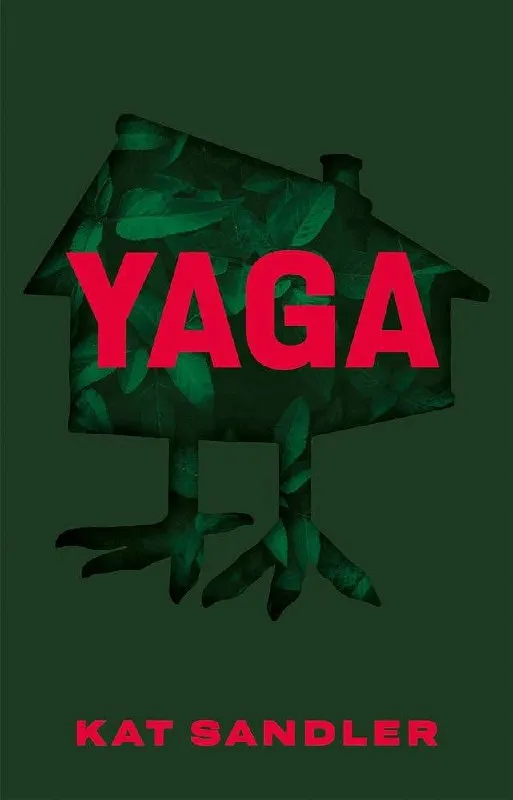
In Kat Sandler’s play the Baba Yaga we know is not an exotic souvenir on the shelf of Canadian drama but a full-blooded, contemporary heroine.
All texts by Betsy Isakova tagged “books”: reviews, essays and notes, newest first. 26 texts.
In Kat Sandler’s play the Baba Yaga we know is not an exotic souvenir on the shelf of Canadian drama but a full-blooded, contemporary heroine.
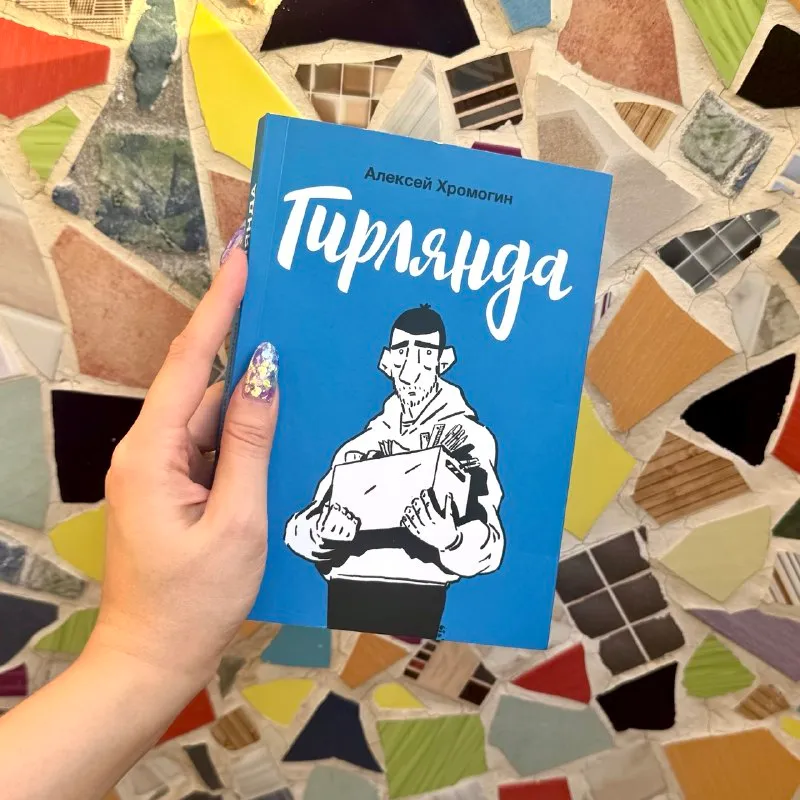
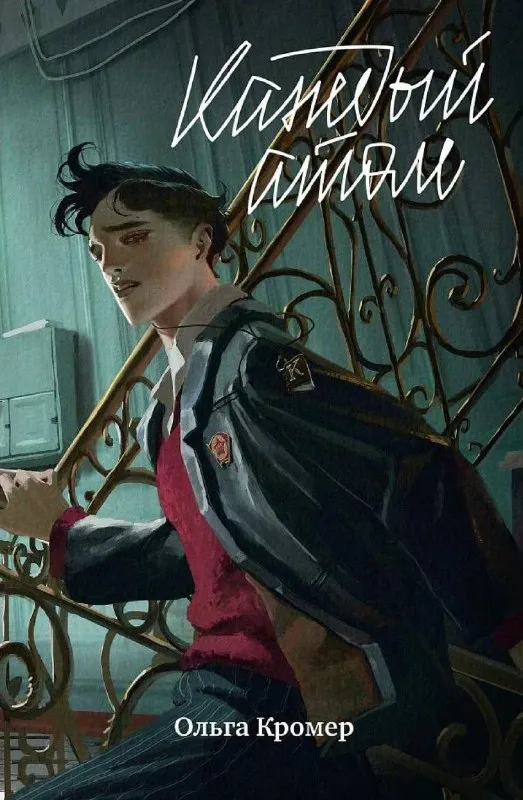
I bought Girlyanda (“Garland”) at random, won over by the blurb about the hero, a comics artist whose hand has turned into a claw.
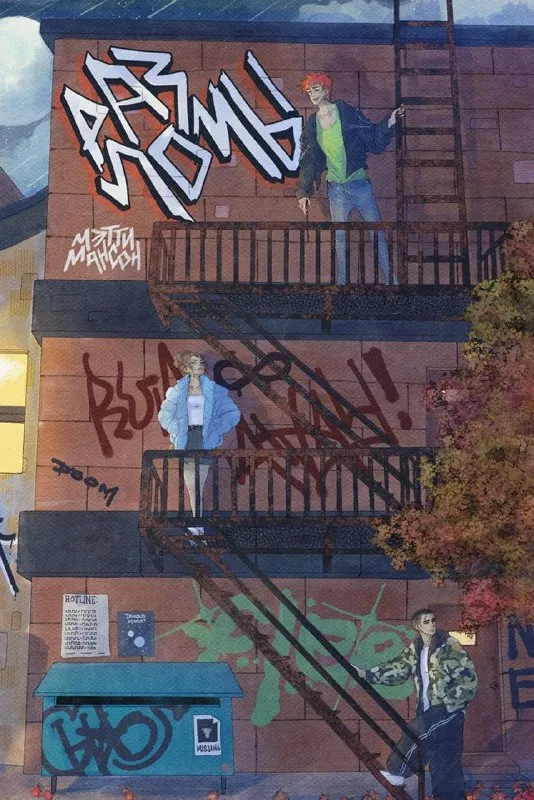
I started reading Matty Manson’s novel Razlomy (“Fractures”), a sweet urban fantasy about a guy called Vinny who can pass the most intimate questions on to the universe.
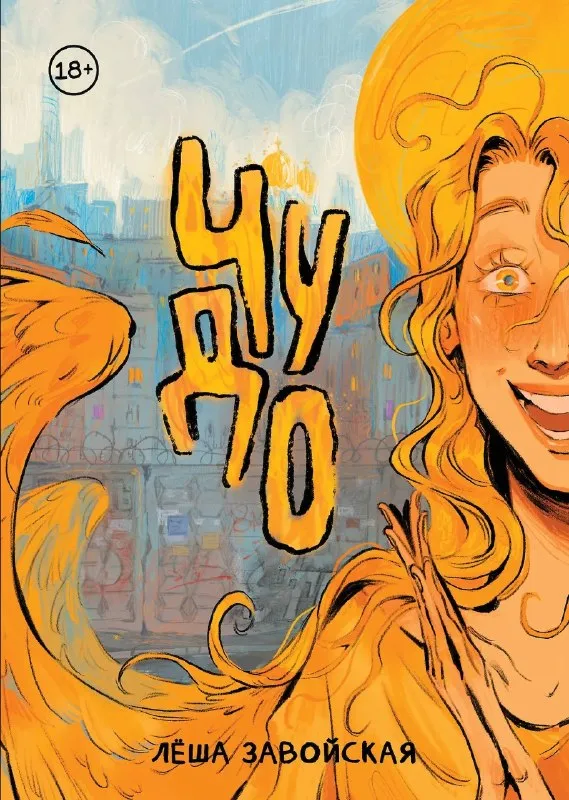
This is a small graphic novel (or comic, as you like) about the adventures of an angel who has descended from the heavens to Yekaterinburg.
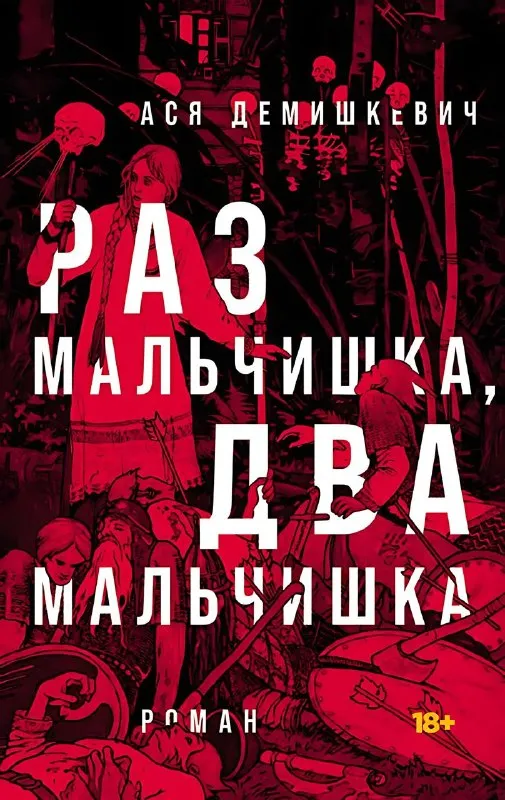
I do not know how to characterise its genre more precisely: it is a coming-of-age novel, folk horror and topical allegorical absurdity all at once.
An extremely engrossing text, packed with facts, yet weightless.
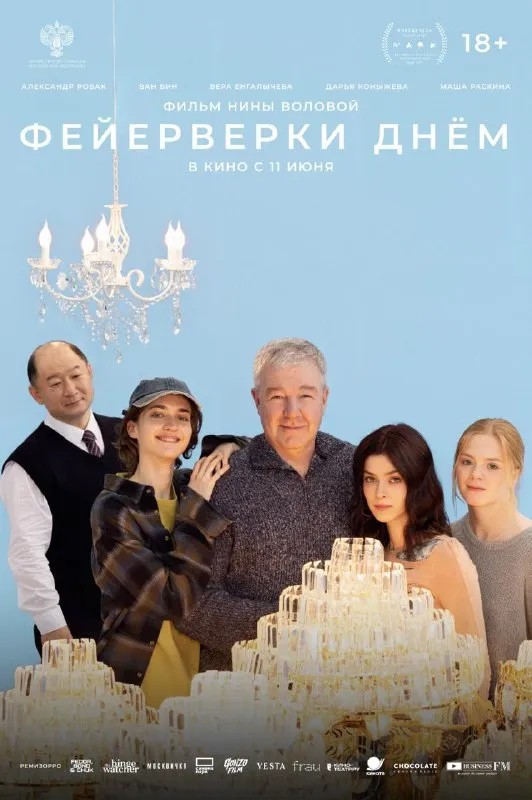
A most tender film about differences in cultures, generations and perceptions, which still cannot divide people if their hearts are open.
The events themselves, in essence, are not that important, but how they are written about is precisely the main reason the book is worth reading.
In short, the text has turned out many-sided, like its hero, and extremely inspiring for great deeds.
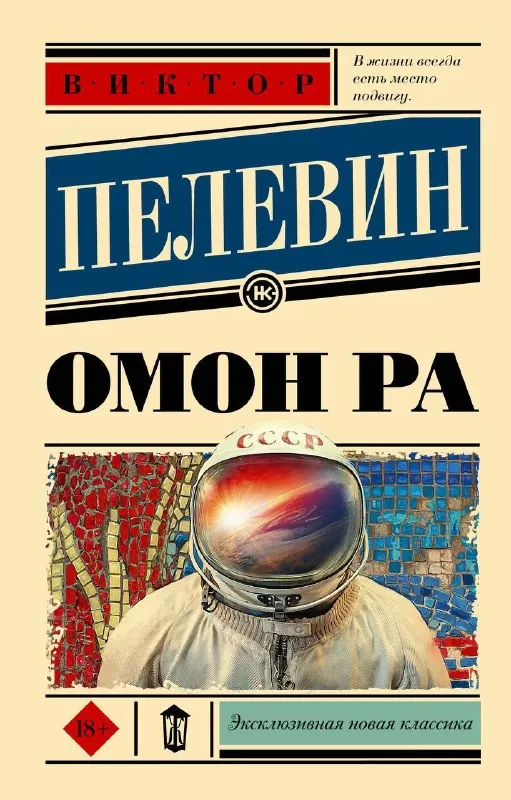
My choice fell on Viktor Pelevin’s Omon Ra, and I must say I got through 80% of it during the flight, so either way I had an interesting time.
I would even call the novel a hidden treasure, were it not for one “but”.
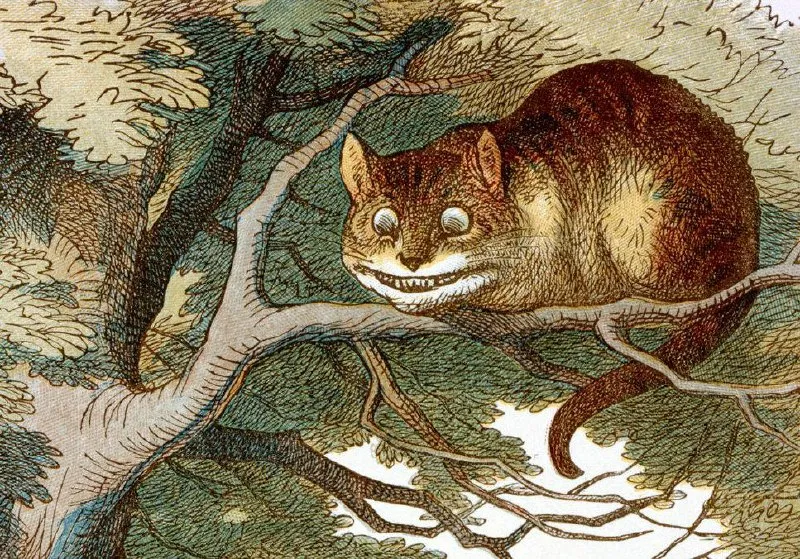
It is down to the shape of the cheeses made in the area: they were sometimes moulded with the imprint of a cat’s head, which could have fixed the link between cats and the county in folklore.
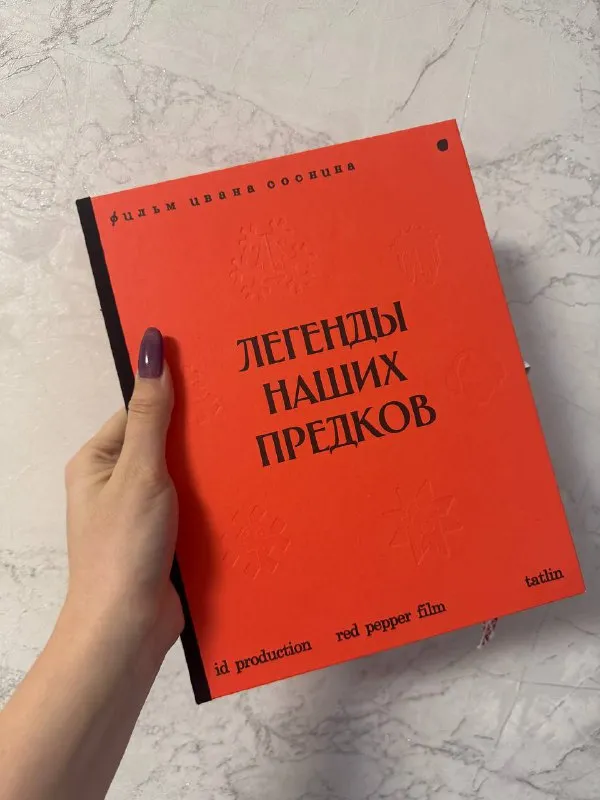
The book is a fantastic gift for all lovers of this film: it combines the mythology of the characters and the backstage story of making the picture, which complement each other perfectly.
It is his side-splittingly funny and sometimes frighteningly serious attempts that we are going to watch. The black humour is spot on, and the connection with the present day comes through too.
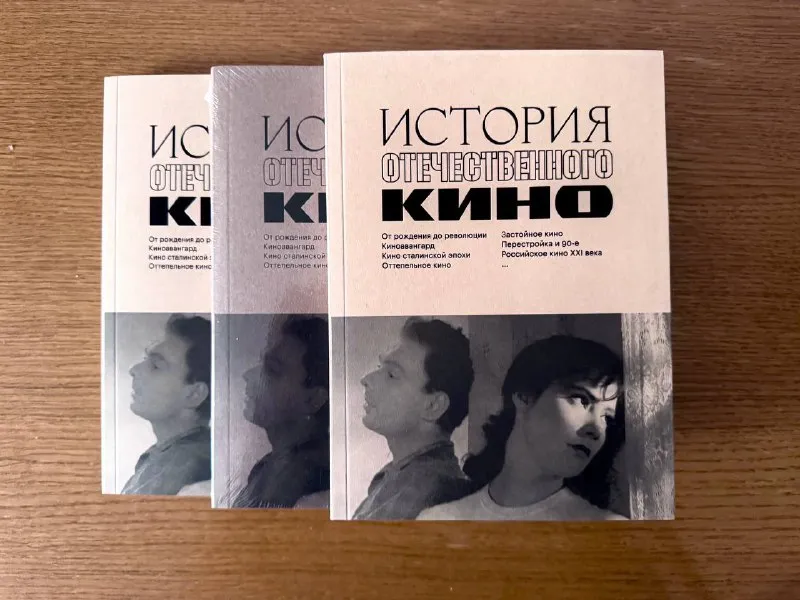
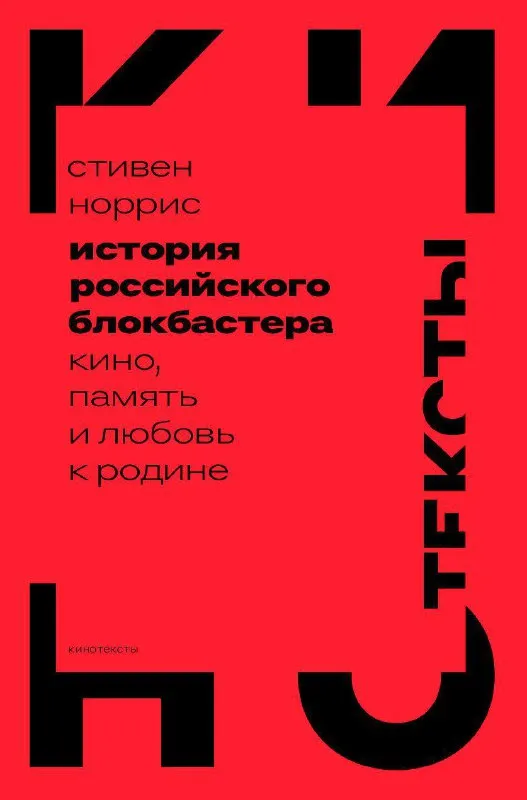
The essay collection is devoted to the history of Russian cinema from its birth to the present day.
I read the book in literally a day and am very pleased. Not least with how the author’s connection to cinema is felt right in the text.
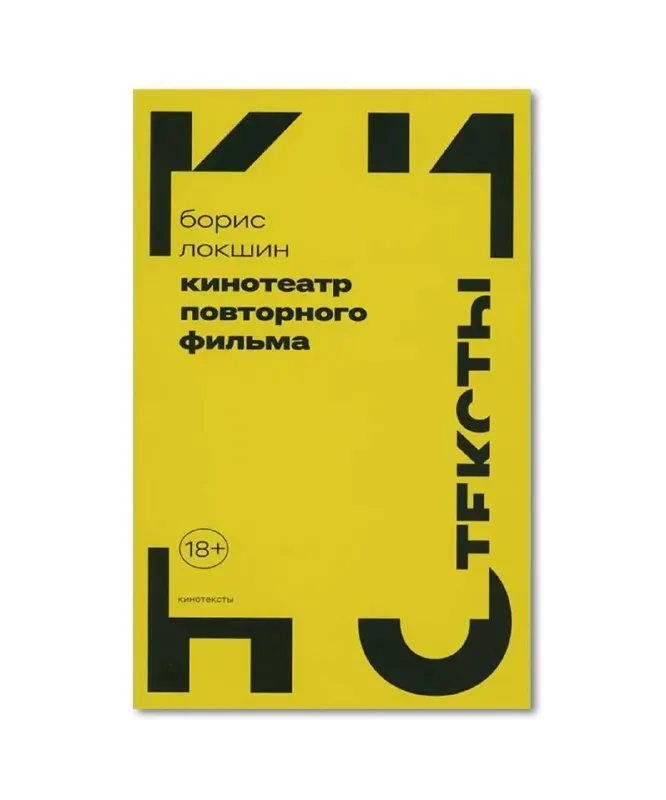
I got absorbed in the book Kinoteatr povtornogo filma: Boris Lokshin’s essays on various films gather all the phenomena that make us put on a favourite film again and again.
In a word, an incomparable density of text with absolute formal simplicity. Naturally, you really want to see every story adapted for the screen: both the descriptions and the dialogue are very cinematic.
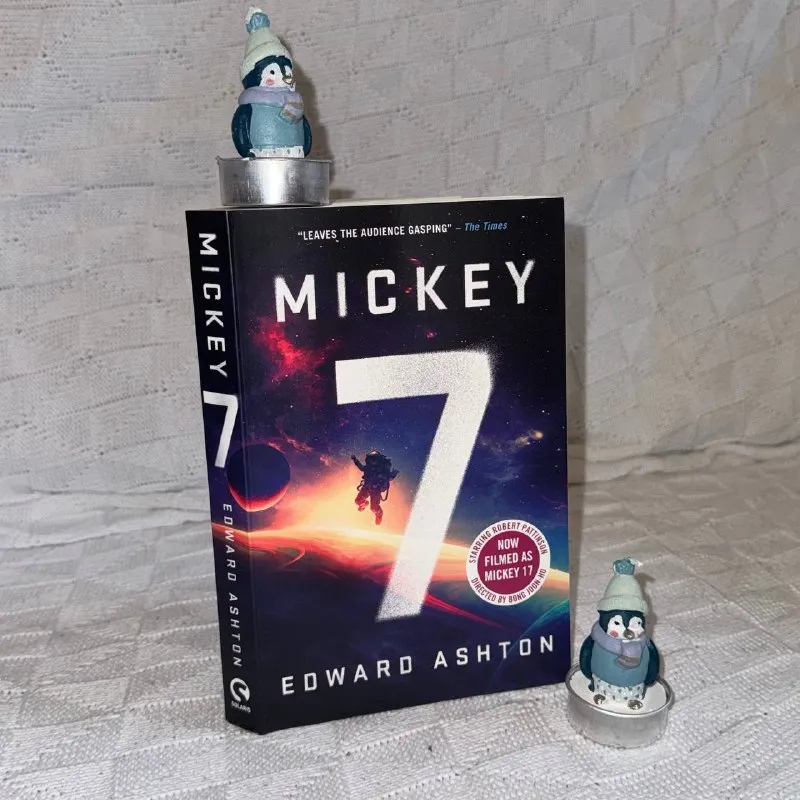
On the whole I liked the film, even though it departed from the text, but Robert Pattinson outweighed everything.
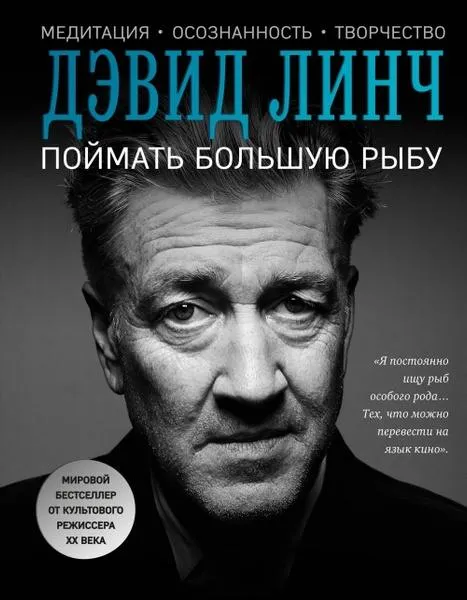
This text is a real chance to hear the director’s voice directly, and his views on life, creativity and cinema in particular.
My colleagues at Kinopoisk and Yandex Books and I have put together almost 30(!) cool new releases.
In any case, Ustoychivoe razvitie is ideal reading for November, the time of year when it is already cold, gloomy and dreary all around, and the celebration of life is still far away.
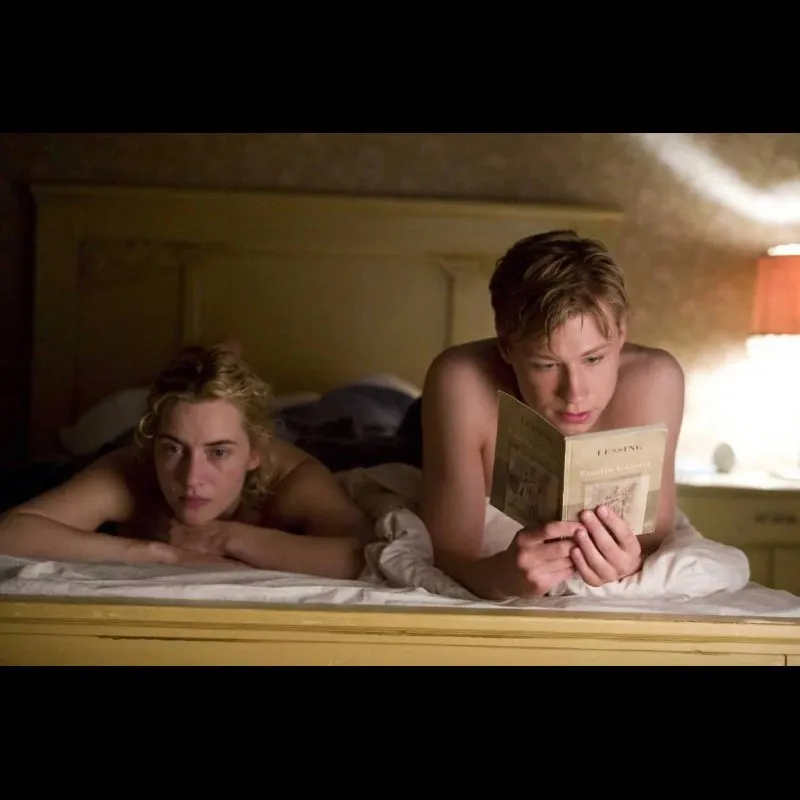
The film lacks the cause-and-effect connections described in the text, and the novel lacks the captivating charm created on screen by Kate Winslet and David Kross.
I have read only a little so far, but I already have the distinct feeling that this is the most important thing published in Russian about Russian cinema lately
And yesterday the podcast Listay vpravo, which I have been producing for over a year now, started its 4th season!
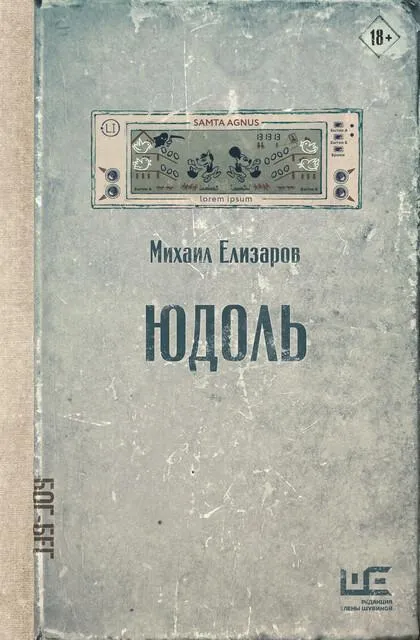
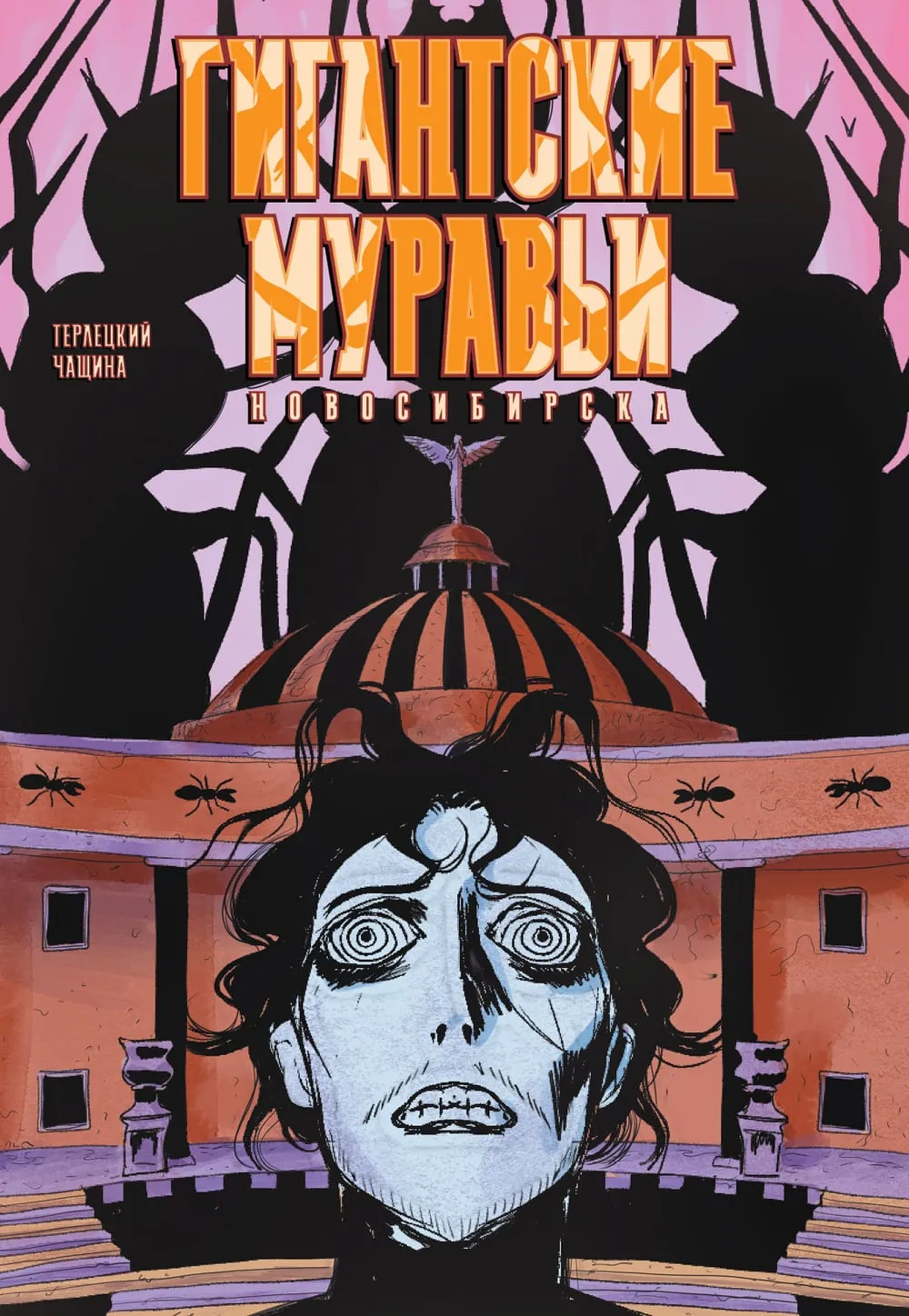
Stas, a 22-year-old unemployed man, tells his friends in the minutest detail about his childhood memories: the giant ants of Novosibirsk.